Scholarship Recipients 2025
Philmont Scout Ranch, located in Cimarron, New Mexico, is the largest National High Adventure Base of the Boy Scouts of America. The ranch covers more than 140,000 acres in the Sangre de Cristo Mountains and has hosted backpacking treks since 1939. The land was originally part of a cattle ranch owned by a man named Waite Phillips, who donated it to the Boy Scouts. His vision was for young people to develop leadership, character, and a love of the outdoors through adventure. Since then, Philmont has grown into Scouting’s biggest destination.

In July 2025, our Boy Scout Troop sent two crews on a trek to Philmont. We had been preparing for over a year, practicing the skills needed for a long and strenuous backpacking trip. Over twelve days we had the opportunity to take part in a wide variety of activities at various backcountry camps, including rock climbing, spar-pole climbing, horseback riding, mine exploration, and both black powder and bolt-action rifle shooting. Our crew made the most of the experience, completing every program available to us.

In total, we hiked about 70 miles, though with side hikes and camp programs the mileage more than doubled. Along the way, we climbed five peaks, including Mount Phillips, Comanche Peak, Shaefer’s Peak, Cimarroncito Peak, and the iconic Tooth of Time. We also completed a conservation project, helping to build trails so that Philmont can continue to be enjoyed by Scouts for years to come.
There were challenges to the trek. Each of us carried a heavy pack that weighed 50–60 pounds that was loaded with food, gear, and water. Some daily hikes stretched over a dozen miles and involved thousands of feet of elevation gain. Thunderstorms would strike every single afternoon. The altitude made hiking more difficult and we would sometimes have camps without a water source, meaning we had to carry multiple days worth of water.

Not every Scout has the opportunity to go to Philmont, and not all who go are successful, but our crew was able to embrace every challenge, working together as a team, and complete every opportunity. Everyone had an amazing time, and we made memories that will last a lifetime. We are incredibly grateful for the support from the Reeno Foundation that helped make this trek possible.

My name is Isaac Bernstein and before any of the things I do or engage in, I am a person who loves the natural part of our world, and feel that integration with nature through different activities and pathways is of course a privilege, but also a responsibility. I firmly believe in this, which is why I do what I do. I am a graduate from the Vermont State University (formerly Johnson State College) Outdoor Education Program, a certified Alpine Guide and Ice Instructor through the American Mountain Guides Association and the owner of Sunlight Guiding International LLC. I run rock, ice and alpine climbing trips across the United States, and plan to take things internationally within the next two years. The style of the majority of the programs that I run are primarily focused on teaching people how to become safe climbers and stewards to the spaces they choose to recreate in. The power of wild natural spaces that we have the capability to access is remarkable, and in my not-so-humble opinion, everyone should have the chance to access these amazing places and experience them during our time on Earth.


River Ready
The canoeing community flows deep with camaraderie and friendship. Maybe the shared passion grows from the richness in human culture, the technical difficulties of a single blade, or the defiance toward current paddling trends. Regardless, I see a unique loyalty among canoeists within the river community--especially when paddling whitewater. Personally, canoeing holds me accountable to my bravery and intention. Moreover, it allows the space to practice truly being present in dynamic waters - as the water connects to the boat, the boat to me, me to the paddle, and the paddle to the water. No moment is ever utterly the same. Therefore, canoeing continues to ignite my radiant enthusiasm for learning and teaching.
This year I had the great privilege to participate in a six day ACA Canoeing Instructor level 1-4 course taught by Beth Wiegandt on the James River in Virginia. Months in advance I was extremely excited for my adventure. Mainly, because my intent was to challenge myself, gain more experience, and simply to make friends. However, packed in my vintage VW van, whitewater canoe strapped down, I began my 450 mile drive from New York to Virginia with a slow broil of anxiety. My solo road trip accentuated latent feelings of feeble self-confidence unaware to me. And my anxious mind was telling me that I wasn't emotionally river ready.
Although, I have been described as one who presents with a still and quiet confidence. My mind was emotionally hypothermic and it was greatly interfering with my technical abilities of both paddling and teaching. Mid course I felt waves of anxiety intensify. Then unexpectedly, I panicked at the riverside solely due to compounded emotional stress unrelated to the course and paddling. Something that has never happened to me before while canoeing. Thankfully, my canoe cohort and instructor assisted me back into my figurative boat. More importantly, their assurance helped me to paddle to a balanced self.
That evening alone at my campsite, within my embarrassment I sincerely questioned if I should continue the course or quit at level two. I challenged myself by asking 'Why are you here?' A sudden and empathetic epiphany rushed over me. Superficially, my goals were to hone my individual skills, become an ACA instructor, and support future paddlers. But in that moment, I was reminded that the Reeno Foundation scholarship and the impact of Nick Ruschmeyer's story inspired me to go to my course with a practice of compassion. I was there, to learn my here of self courage and kindness. Therefore, the remainder of the night I reconnected with Nick's poetry and reflections. And prepared myself for the practice of truly letting go.
Overall, I finished the course leaving with my level 2 certification and gaining irreplaceable insight. Beth's instructor intensity exemplifies her remarkable dedication to teaching paddling sports. The confluence of mentors, experience, and personal grit becomes most evident in her daily devotion toward her students. Not only did I gain paddling pedagogy but a deeply compassionate respect of self. Both Beth's and Nick's teachings guided me to that understanding. I hold much deference for them and am forever grateful for our shared time on the river. I left the James with a new perspective to paddling: the importance of community in canoeing, how to emotionally self-rescue, and what it truly means to be river ready.
Sara-Jo Fegley

The Wilderness First Responder recertification course is a necessary program that all outdoor professionals are required to maintain as a minimum standard for backcountry emergencies and medical situations. I would not be able to do what I do without this baseline medical training, and I am grateful for The Reeno Foundation to provide me the financial assistance to maintain this standard. The recertification course is usually 2 days, about 9-12hrs each day, and the instructors provide a combination of interactive lecturing and discussion about certain medical problems or emergency scenarios, as well as having the students practice scenarios trying to figure out what is wrong with the mock patient and making a decision on what to do. Overall, though it is a necessary program that outdoor professionals need to take, I do find it valuable to refresh these skills and get some hands-on mock practice. Training works!
AIARE Instructor Training Course Reflection: Steven’s Pass, WA
Payton Bartlett
December 30, 2024
I recently completed my AIARE Instructor Training Course at Steven’s Pass in Washington. This was a great opportunity for me travel to a different region during the winter season and connect with other outdoor professionals that I would not have otherwise had the opportunity to meet. I was able to do this in large part due to the support of the Reeno Foundation. I currently work as the Outdoor Program Coordinator at the University of Wyoming, where my outdoor journey has come full circle in a sense. I attended the University of Wyoming, and this was where I started backcountry skiing, rock climbing, and mountaineering with the Outdoor Program. These pursuits soon became a large part of my life, and I was seeking out opportunities to turn them into a career. I started with the rock-climbing side and quickly realized that I was drawn to the education side of the outdoors. Through conversations with other outdoor professionals, I learned that avalanche education was a likely to be a great fit. Soon after graduating from college, I was hired as the Outdoor Program Coordinator at my alma matter and was soon teaching in many different disciplines. I kept coming back to avalanche education and after talking to guide companies nearby decided that teaching through AIARE would be a great way to connect with others in the community.
My Instructor Training Course was very well run and informative. While heavily leaning into teaching principles that apply to avalanche education, I had takeaways that I can apply to other outdoor skills as well. The course was heavily structured in the classroom with field-time to apply the concepts that were taught. We had ample time to learn from others in the course as well as receive valuable feedback. I think one of the better parts was the fact that the students in the course came from a variety of snow professional backgrounds which allowed for unique viewpoints. I am looking forward to instructing courses in the coming winter seasons and continuing to grow as an instructor. These skills will hopefully benefit the Outdoor Program and help me to improve my lessons to students. Thank you to the Reeno Foundation for the support that made this possible!


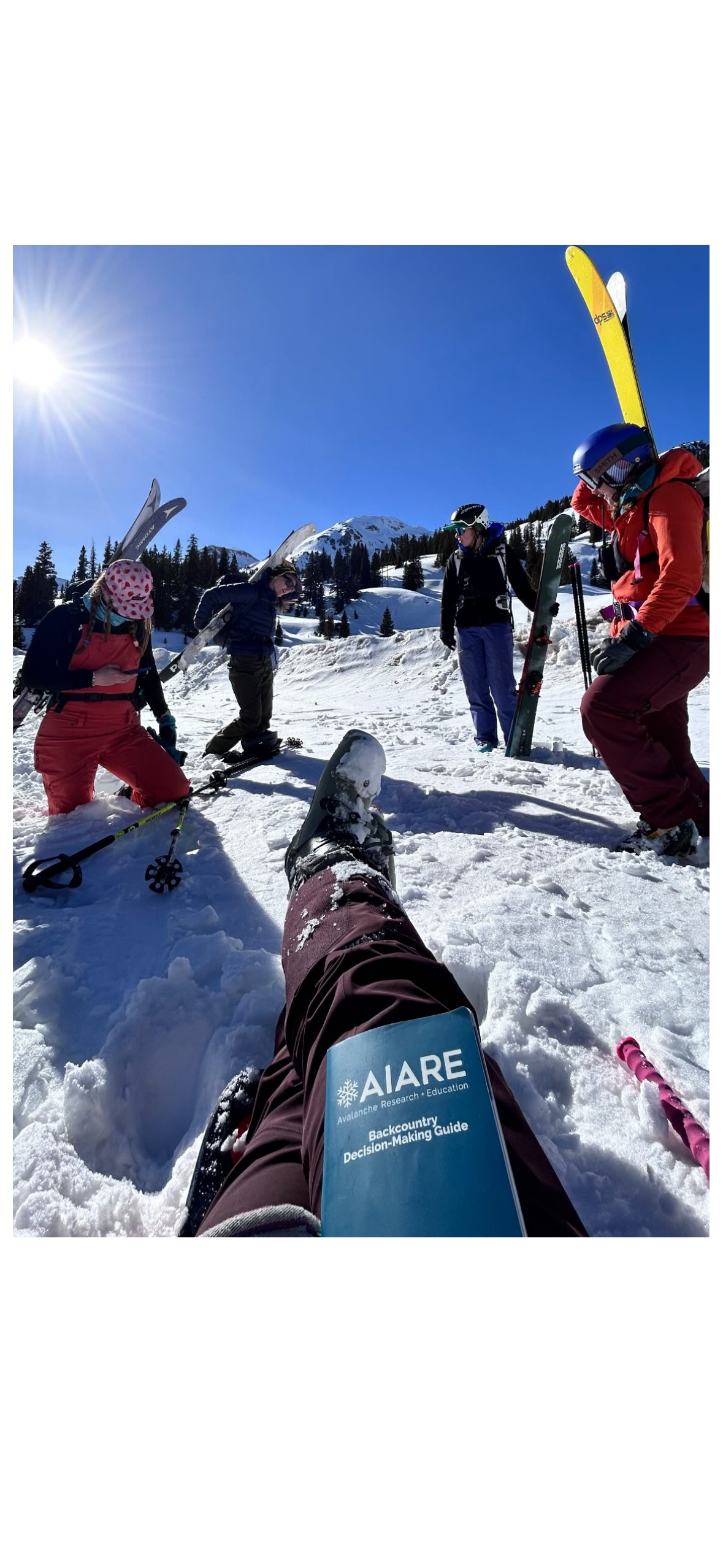
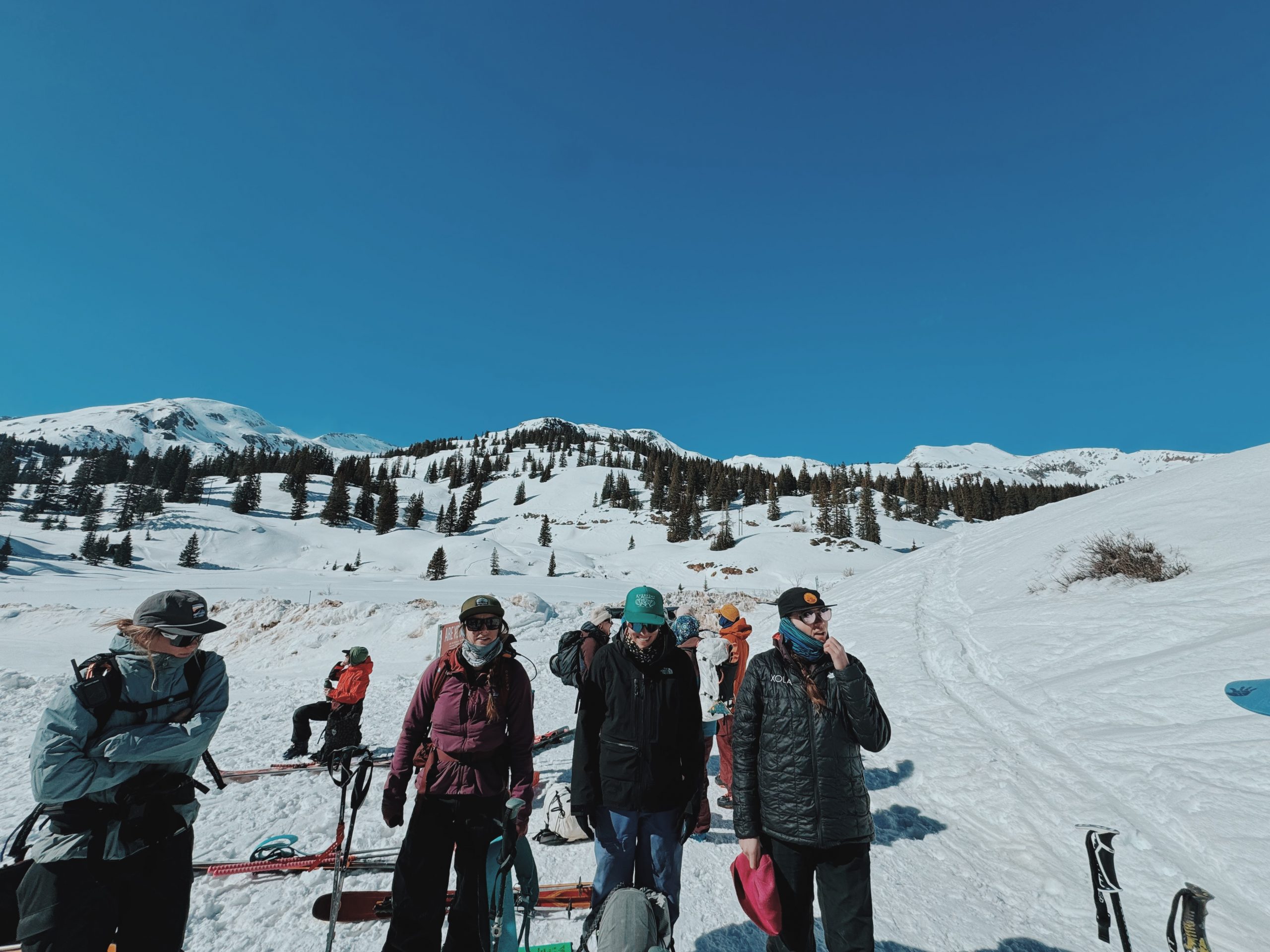
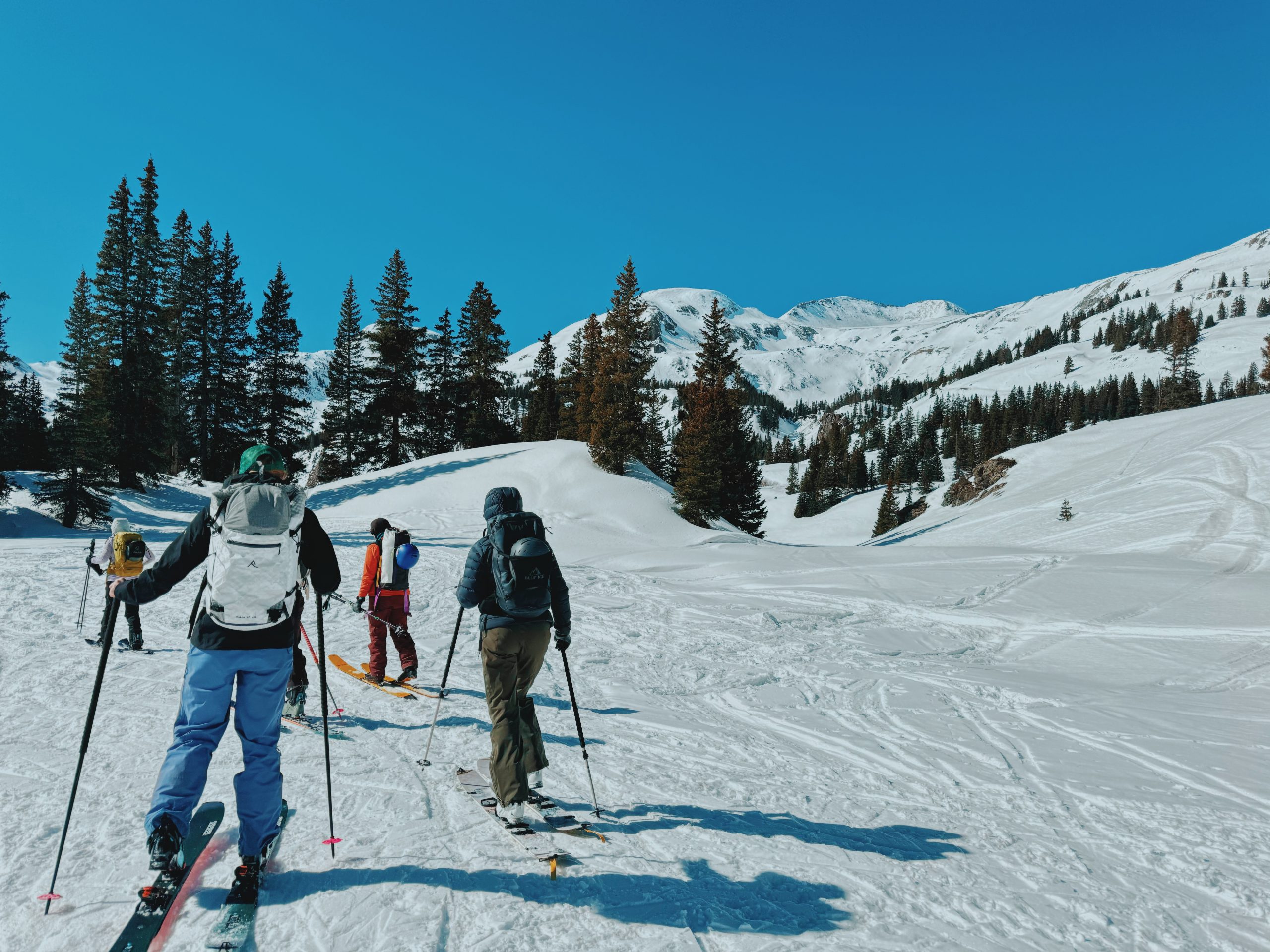
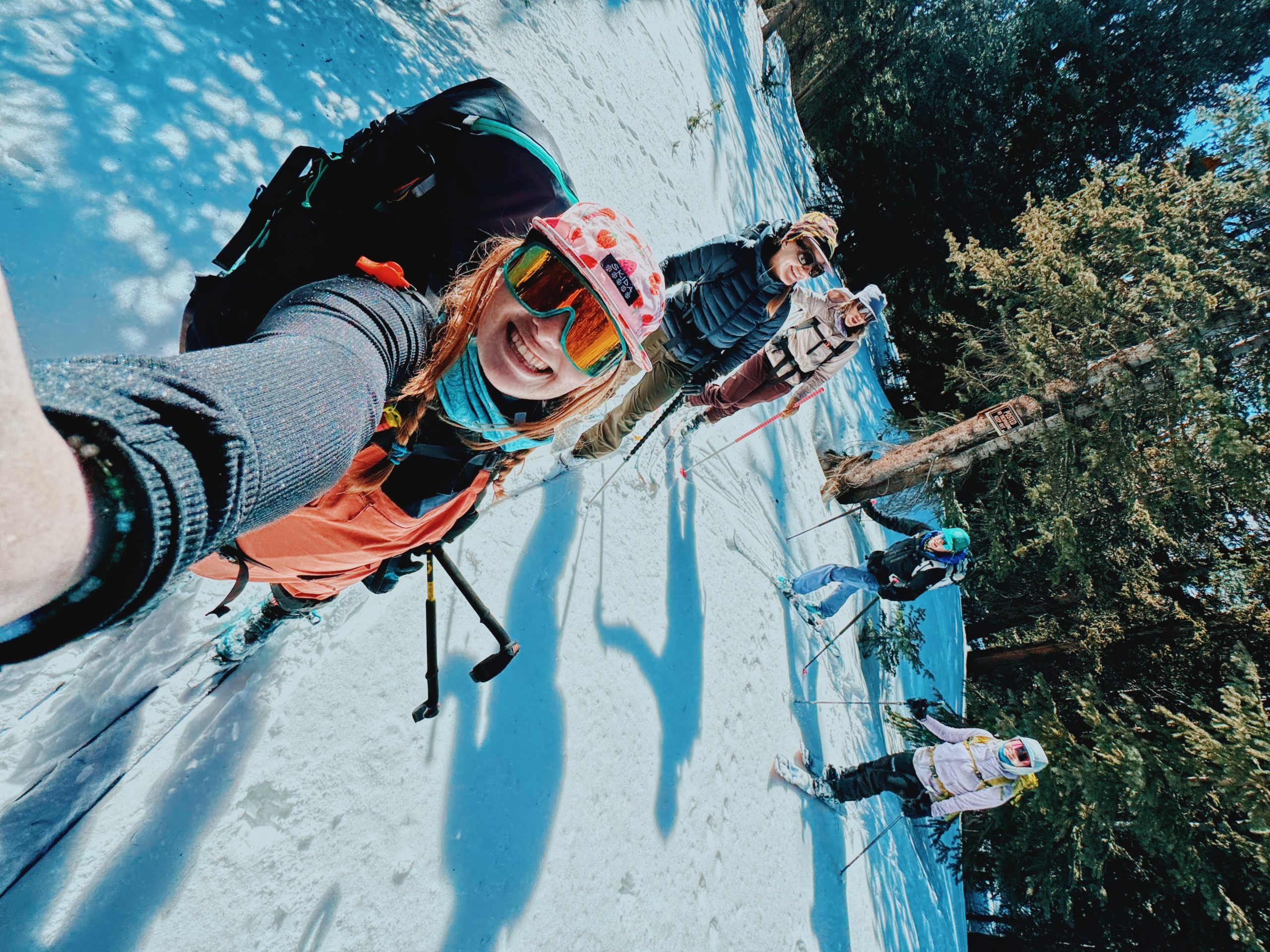
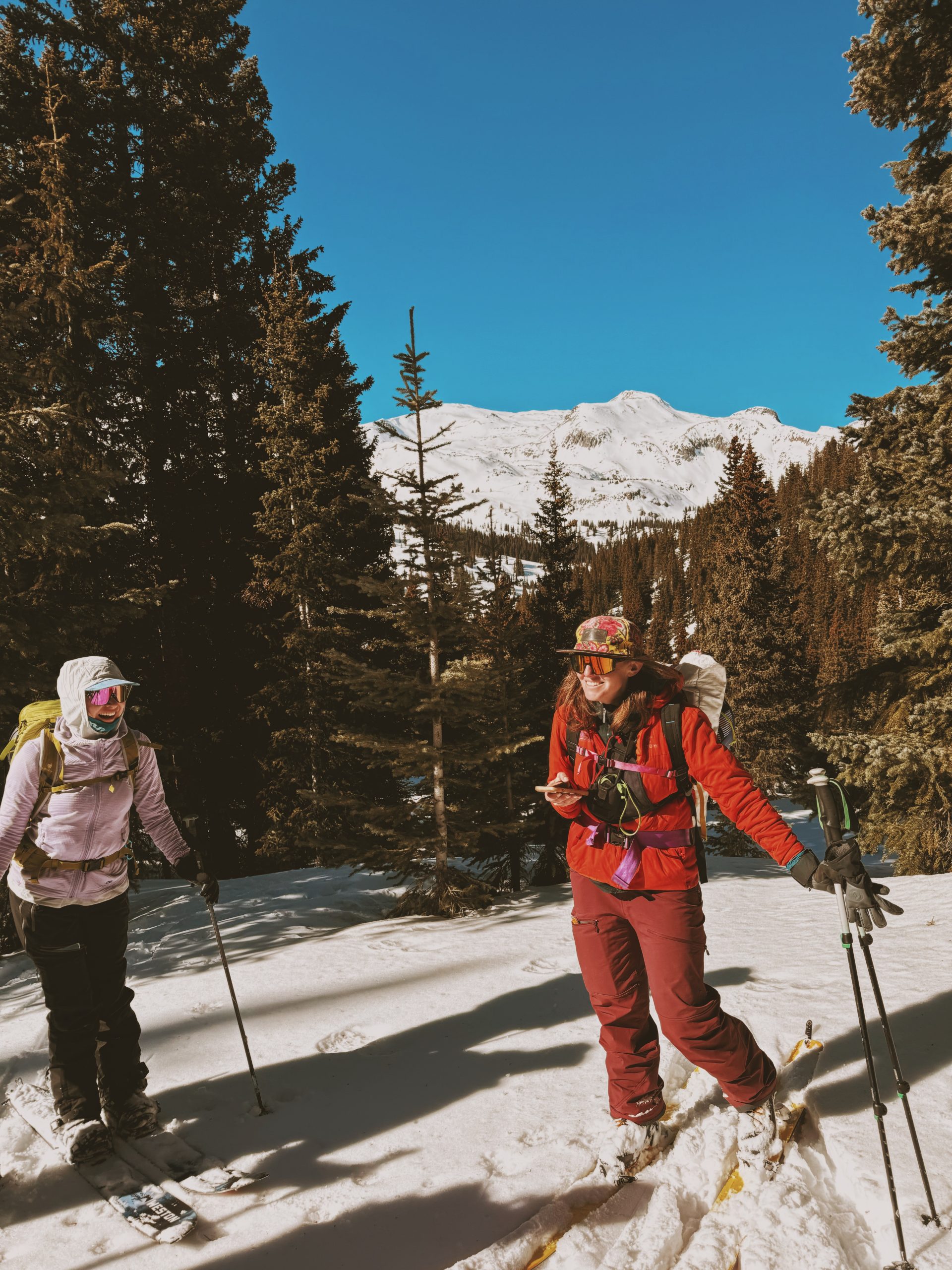
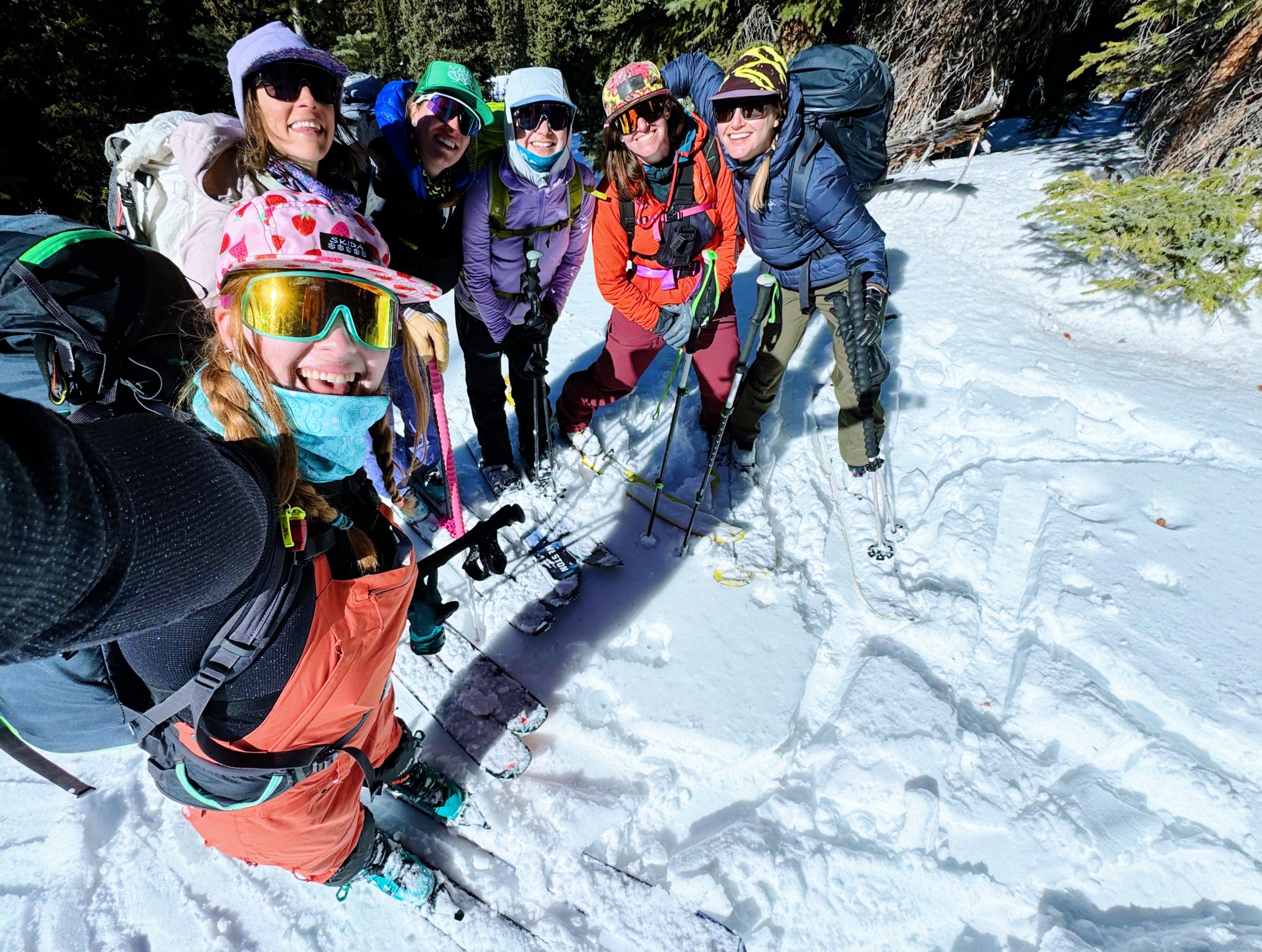
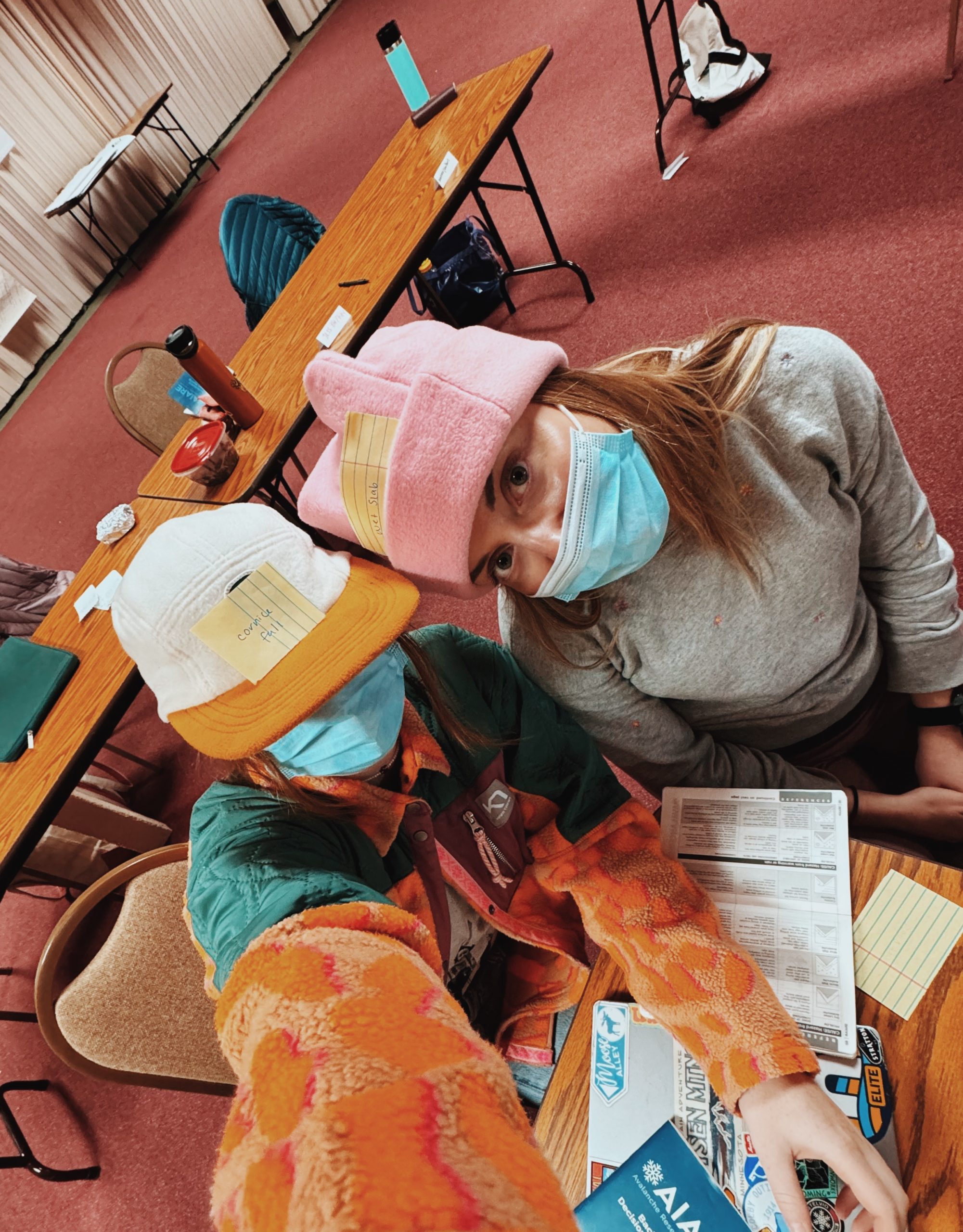
This February, I had the incredible opportunity to participate in a women’s AIARE Instructor training course (ITC)! This was the first affinity course I have taken thus far in my guiding career, which completely changed the atmosphere of the course. From the very beginning the instructors set the tone for an inclusive, open, and supportive environment. One of the most impactful things they did before we even arrived, was sending an email that simply said, “We already think your cool”. This small but thoughtful gesture immediately dismantled the pressure often felt in these courses—the unspoken need to prove that you belong. Before attending an ITC, participants must first pass an Avalanche Professional Level 1 course, where technical skills are rigorously assessed. Since everyone in the ITC had already met that standard there was no need to try to prove that to each other and the instructors has already made it clear we did not need to prove ourselves. This allowed us to focus on learning, collaborating, and forming meaningful connections rather than feeling like we had to compete. Throughout the week we engaged in various team-building exercises. Normally, I find these kinds of activities a bit forced, but this time was different. Every woman in the course was genuinely invested in showing up, participating fully, and supporting on another. Because of this collective energy, we got so much more out of each exercise than I ever expected. Being the youngest participant by a significant margin, I felt incredibly lucky to be surrounded and mentored by so many experienced and inspiring women. Many of them has been guiding for years, and the wisdom they shared—both technical and personal—was invaluable. It eas refreshing to be in a space where mentorship happen naturally, and I tried to soak up every bit of guidance I could. I especially cherished the time spent outside of class with my three housemates. By the end of the trip, these women—who initially were strangers—felt like older sisters. In a funny coincidence, all four of us turned out to be only children, which gave us an instant connection beyond our shared love of the mountains. Before taking this course, I had heard a lot of people say the ITC was a waste of time, or something that could be done over Zoom, even though it is required to become an AIARE instructor. However, after experiencing it firsthand, I wholeheartedly disagree. The value of the course is not just the technical, on-snow content, but rather in the personal discussions, shared experienced, and mentorship that happens organically when you bring a group of dedicated, passionate people together in an unbiased space designed for learning and growth. The course gave me the opportunity to reflect, refine my skills, gain advice for advancing my career, and walk away confident in my ability to teach avalanche education courses. At the end of the day, what you put into this course is what you get out of it and I am extremely grateful to the Reno Foundation for providing me the opportunity to attend this course and advance my career as a ski guide and avalanche educator. Every woman in that room showed up ready to learn, share, and support one another, making all the difference. I left the AIARE ITC feeling inspired, connected, and excited to continue growing as an educator and guide.
AIARE Instructor Training Course Reflection: Steven’s Pass, WA
Payton Bartlett
December 30, 2024
I recently completed my AIARE Instructor Training Course at Steven’s Pass in Washington. This was a great opportunity for me travel to a different region during the winter season and connect with other outdoor professionals that I would not have otherwise had the opportunity to meet. I was able to do this in large part due to the support of the Reeno Foundation. I currently work as the Outdoor Program Coordinator at the University of Wyoming, where my outdoor journey has come full circle in a sense. I attended the University of Wyoming, and this was where I started backcountry skiing, rock climbing, and mountaineering with the Outdoor Program. These pursuits soon became a large part of my life, and I was seeking out opportunities to turn them into a career. I started with the rock-climbing side and quickly realized that I was drawn to the education side of the outdoors. Through conversations with other outdoor professionals, I learned that avalanche education was a likely to be a great fit. Soon after graduating from college, I was hired as the Outdoor Program Coordinator at my alma matter and was soon teaching in many different disciplines. I kept coming back to avalanche education and after talking to guide companies nearby decided that teaching through AIARE would be a great way to connect with others in the community.
My Instructor Training Course was very well run and informative. While heavily leaning into teaching principles that apply to avalanche education, I had takeaways that I can apply to other outdoor skills as well. The course was heavily structured in the classroom with field-time to apply the concepts that were taught. We had ample time to learn from others in the course as well as receive valuable feedback. I think one of the better parts was the fact that the students in the course came from a variety of snow professional backgrounds which allowed for unique viewpoints. I am looking forward to instructing courses in the coming winter seasons and continuing to grow as an instructor. These skills will hopefully benefit the Outdoor Program and help me to improve my lessons to students. Thank you to the Reeno Foundation for the support that made this possible!
This February, I had the incredible opportunity to participate in a women’s AIARE Instructor training course (ITC)! This was the first affinity course I have taken thus far in my guiding career, which completely changed the atmosphere of the course. From the very beginning the instructors set the tone for an inclusive, open, and supportive environment. One of the most impactful things they did before we even arrived, was sending an email that simply said, “We already think your cool”. This small but thoughtful gesture immediately dismantled the pressure often felt in these courses—the unspoken need to prove that you belong. Before attending an ITC, participants must first pass an Avalanche Professional Level 1 course, where technical skills are rigorously assessed. Since everyone in the ITC had already met that standard there was no need to try to prove that to each other and the instructors has already made it clear we did not need to prove ourselves. This allowed us to focus on learning, collaborating, and forming meaningful connections rather than feeling like we had to compete. Throughout the week we engaged in various team-building exercises. Normally, I find these kinds of activities a bit forced, but this time was different. Every woman in the course was genuinely invested in showing up, participating fully, and supporting on another. Because of this collective energy, we got so much more out of each exercise than I ever expected. Being the youngest participant by a significant margin, I felt incredibly lucky to be surrounded and mentored by so many experienced and inspiring women. Many of them has been guiding for years, and the wisdom they shared—both technical and personal—was invaluable. It eas refreshing to be in a space where mentorship happen naturally, and I tried to soak up every bit of guidance I could. I especially cherished the time spent outside of class with my three housemates. By the end of the trip, these women—who initially were strangers—felt like older sisters. In a funny coincidence, all four of us turned out to be only children, which gave us an instant connection beyond our shared love of the mountains. Before taking this course, I had heard a lot of people say the ITC was a waste of time, or something that could be done over Zoom, even though it is required to become an AIARE instructor. However, after experiencing it firsthand, I wholeheartedly disagree. The value of the course is not just the technical, on-snow content, but rather in the personal discussions, shared experienced, and mentorship that happens organically when you bring a group of dedicated, passionate people together in an unbiased space designed for learning and growth. The course gave me the opportunity to reflect, refine my skills, gain advice for advancing my career, and walk away confident in my ability to teach avalanche education courses. At the end of the day, what you put into this course is what you get out of it and I am extremely grateful to the Reno Foundation for providing me the opportunity to attend this course and advance my career as a ski guide and avalanche educator. Every woman in that room showed up ready to learn, share, and support one another, making all the difference. I left the AIARE ITC feeling inspired, connected, and excited to continue growing as an educator and guide.
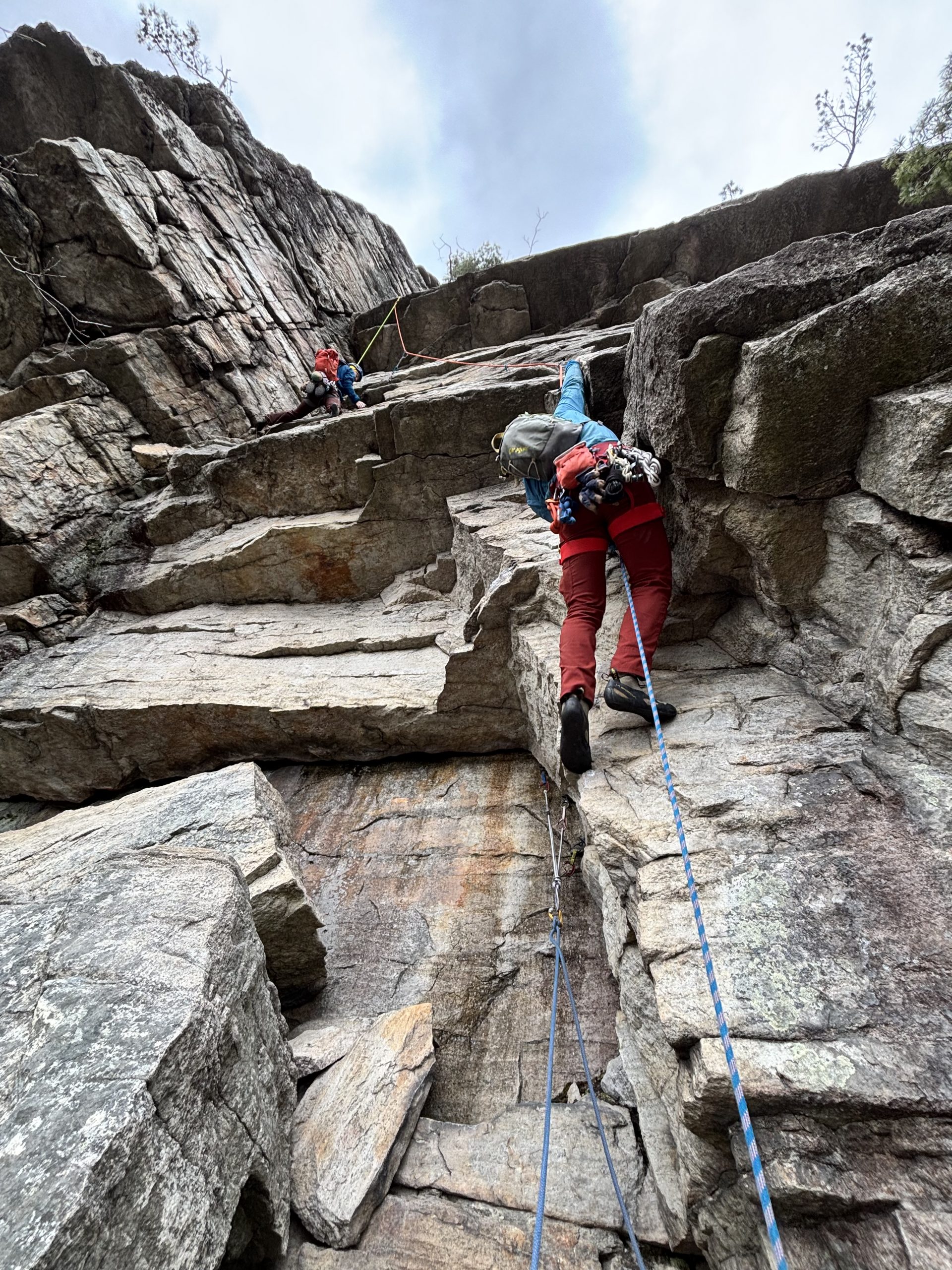
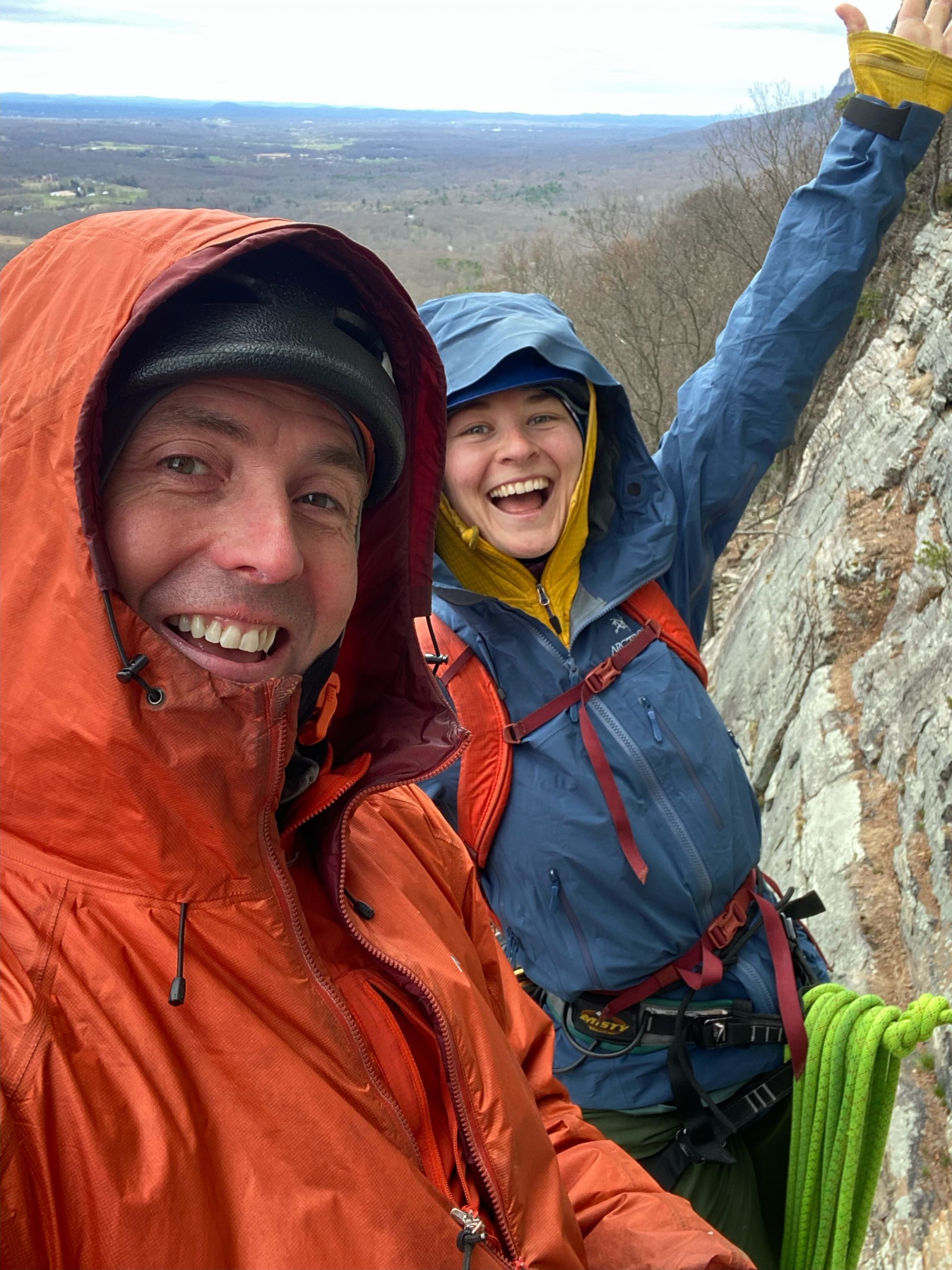
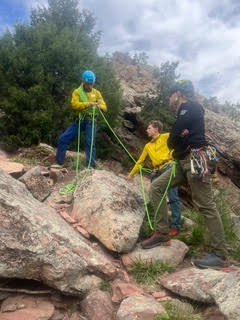
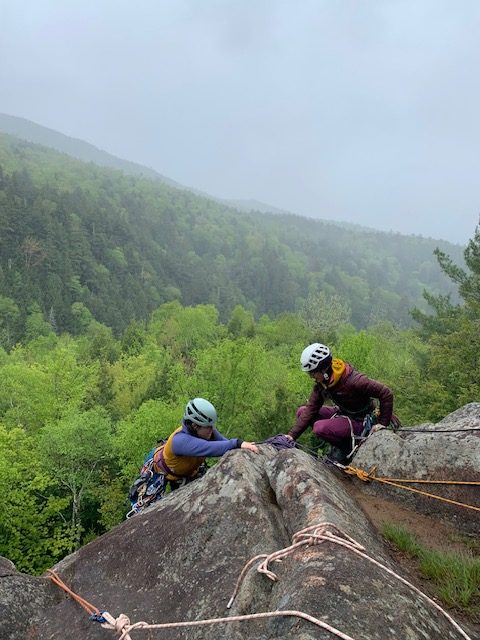
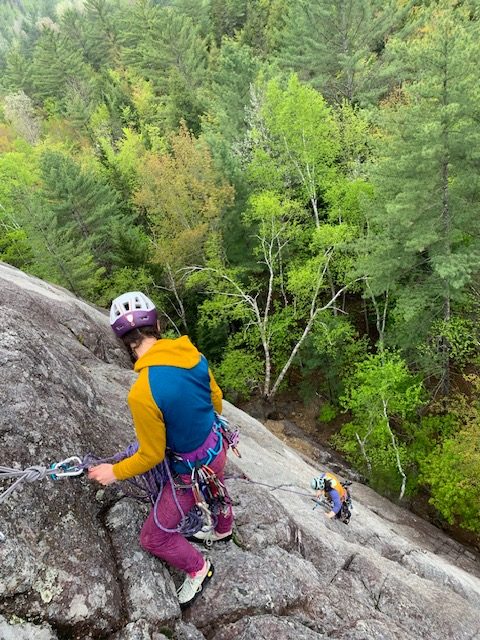
In April 2025, with support from the REENO foundation, I took my rock guide course in The Gunks, New York. This course was an incredible opportunity for me to expand my scope of practice and build on my skills as a rock climbing guide before entering my 5th season of guiding for Acadia Mountain Guides in Acadia National Park.
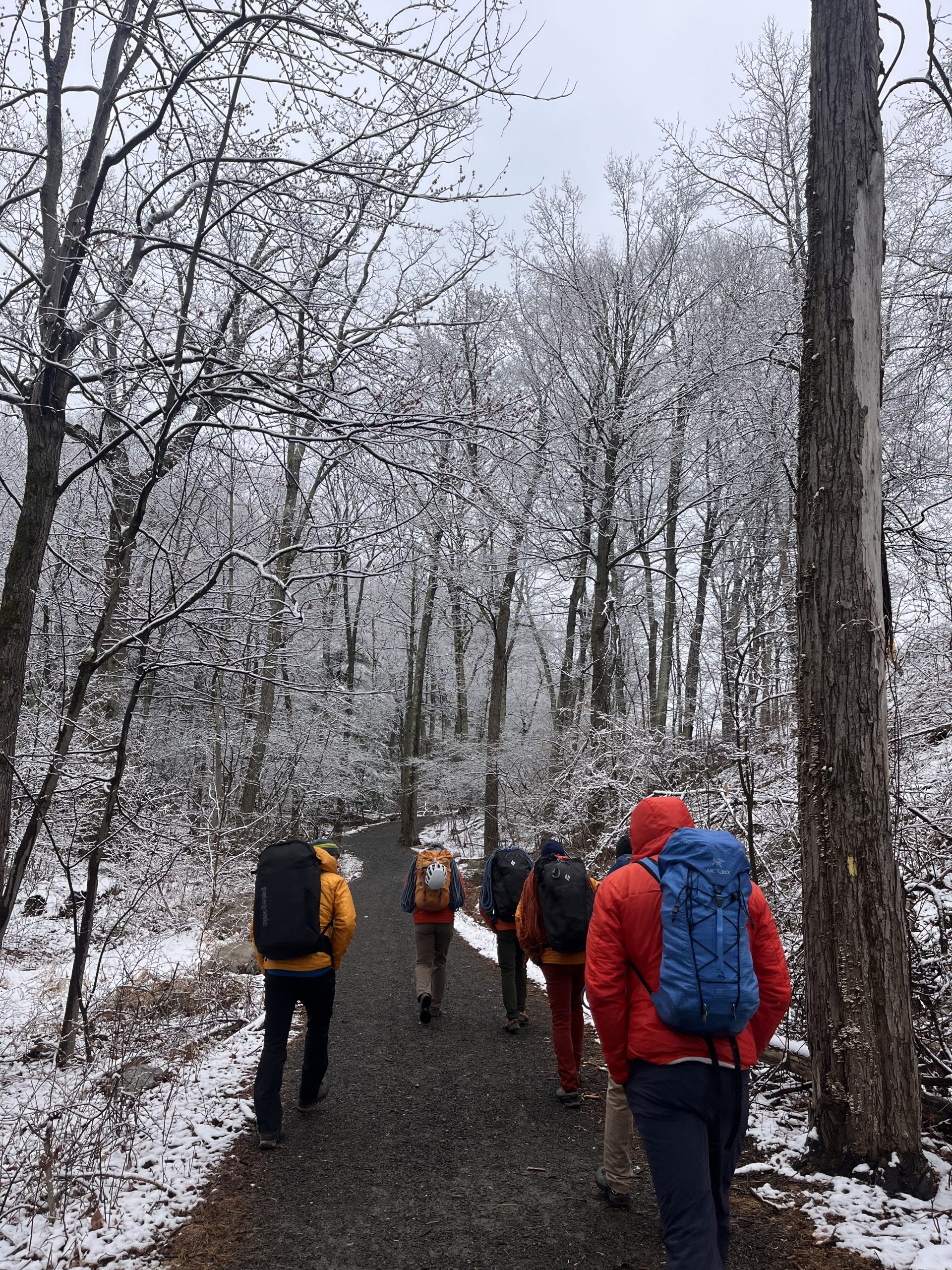
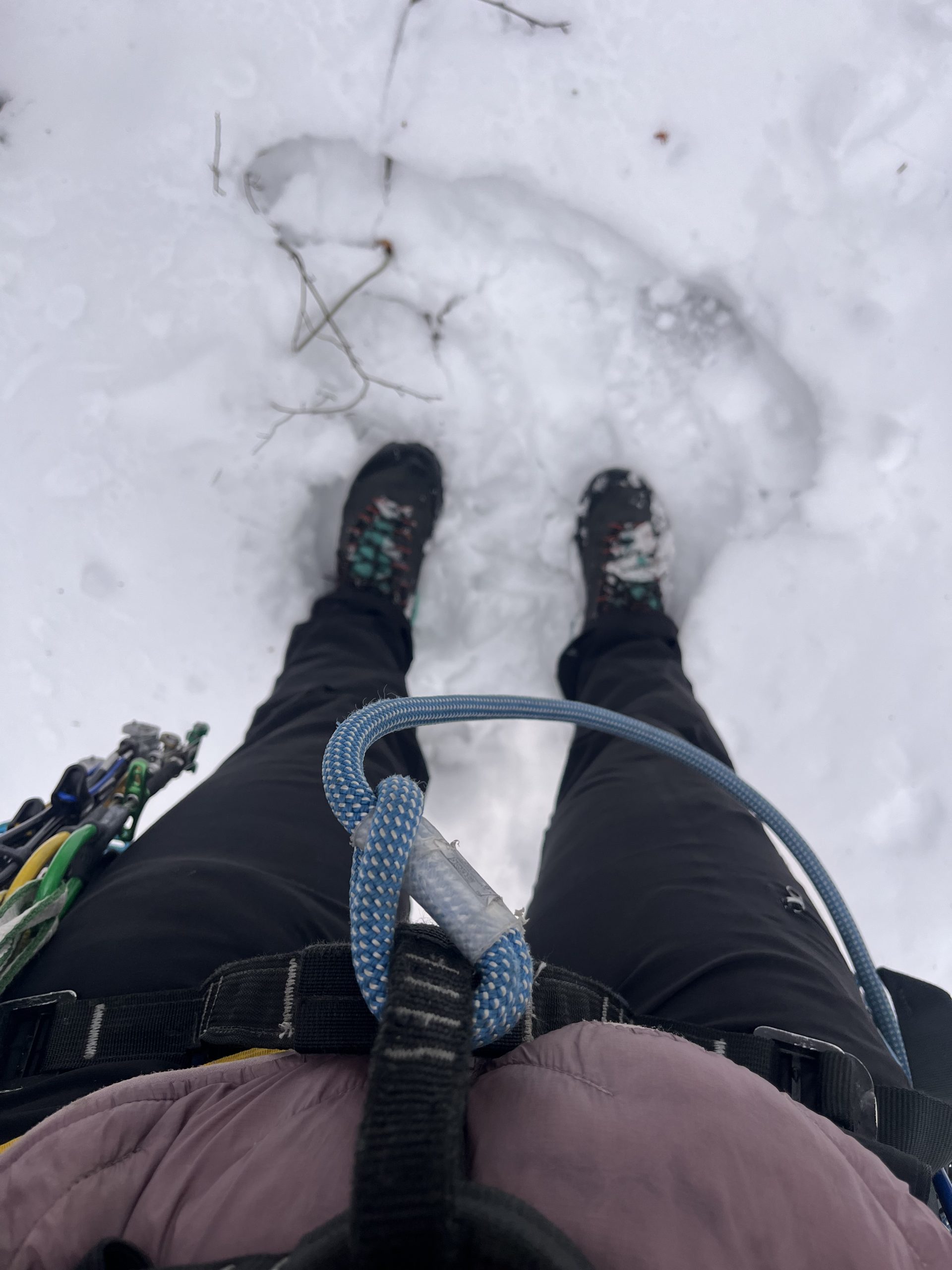
We had very spicy weather throughout the course, including cold temps, rain, and a snowstorm! To work around the cold and wet weather, we did a lot of skills learning and ground school up front and crossed our fingers for better weather to climb in the second half of the week. The up-front ground school environment was really inspiring as there is so much to learn and know. They provided us with notebooks at the beginning of the course and I filled mine fully by the end of the 10 days.
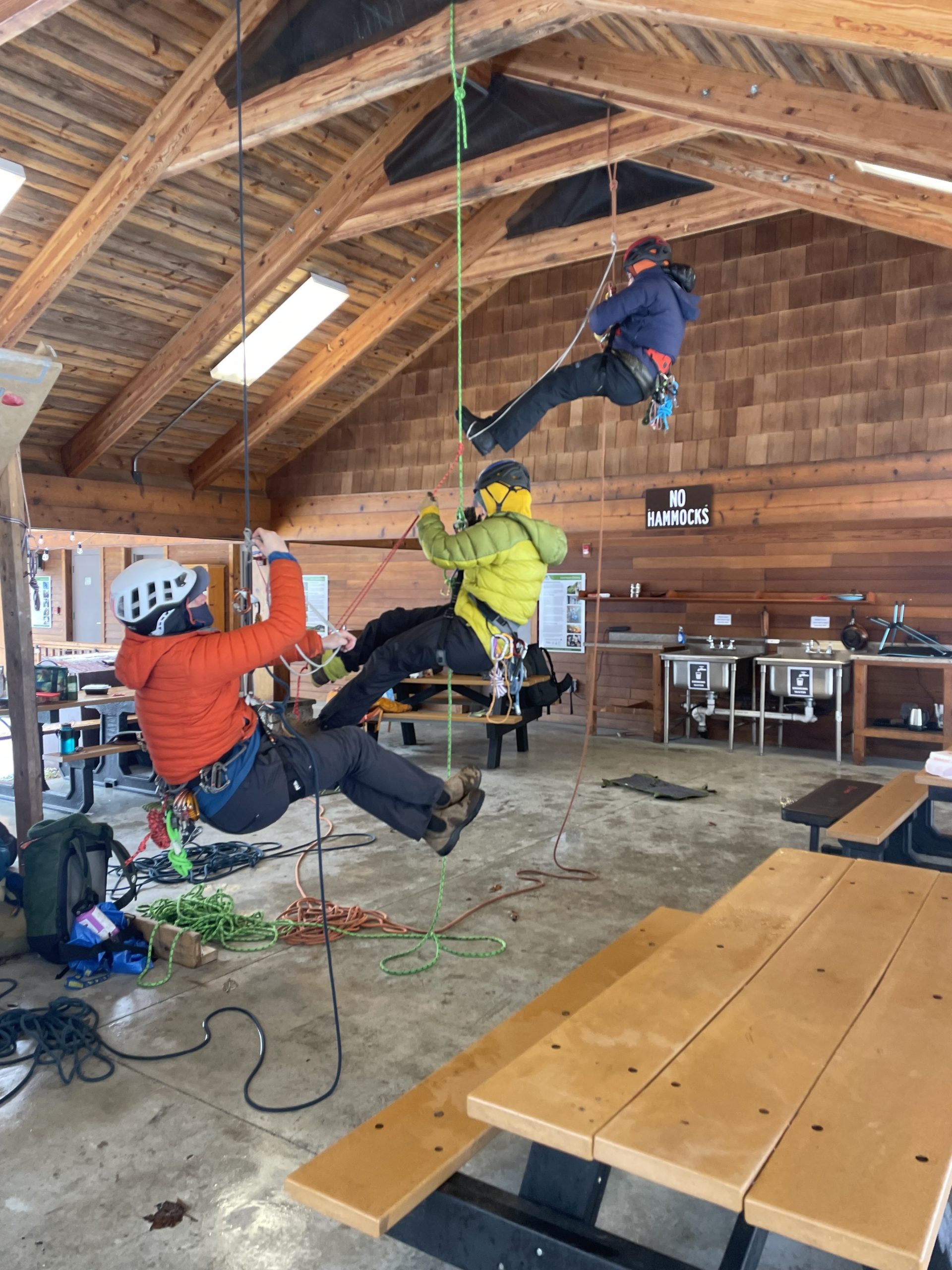
One of our bad weather adaptations included a rock rescue drill power day in the pavilion at the local campground where our instructors used a ladder to hang ropes from the ceiling so we could practice ascending and descending ropes with our ATCs and prusik loops. We spent the whole day learning and simulating the parts of the rock rescue drill while snow fell dramatically around us - it felt pretty surreal.
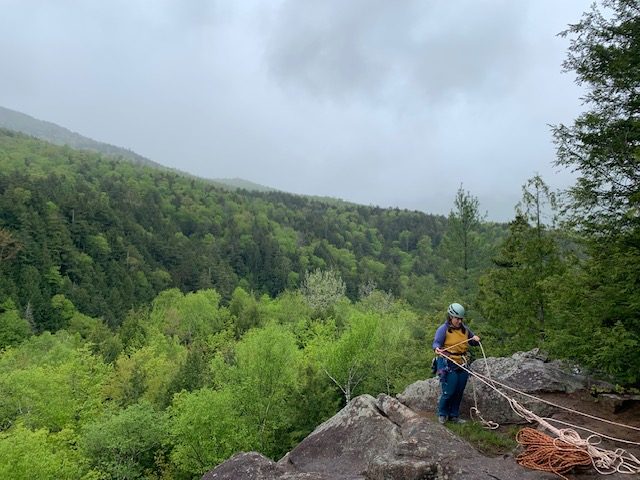
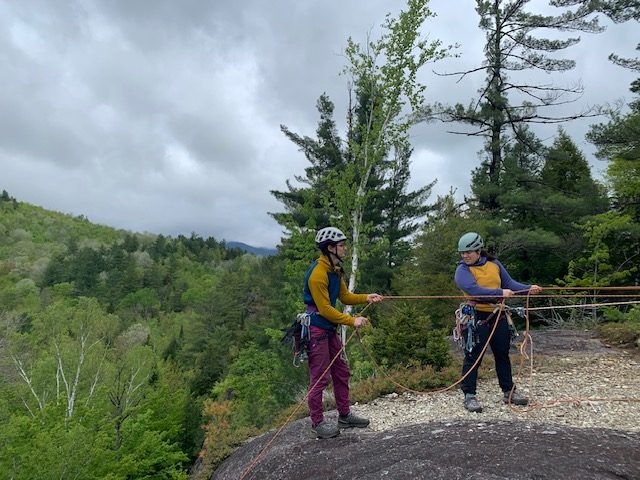
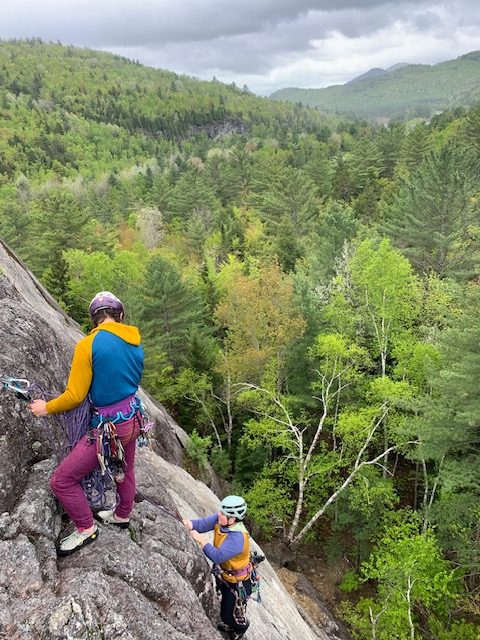
We learned short roping and short pitching in the rain on a ground school day, and after the snow storm we used those skills to approach the edge of a cliff for mock guiding rappelling while the rocks were too wet for climbing.
Despite the cold and wet conditions, we still got our climbing miles in and everyone maintained good attitudes while bundled in our puffies on the cliff. It felt very real for us to have to climb while conditions were not ideal as I believe it is good to practice skills when you are cold and uncomfortable so you know you are equipped to respond well when accidents or unexpected weather events happen.
We had two warm-ish days toward the end of the course and enthusiastically used those days to climb at the movement standard and have fun in the sun using all of the skills we learned in the beginning of the course.
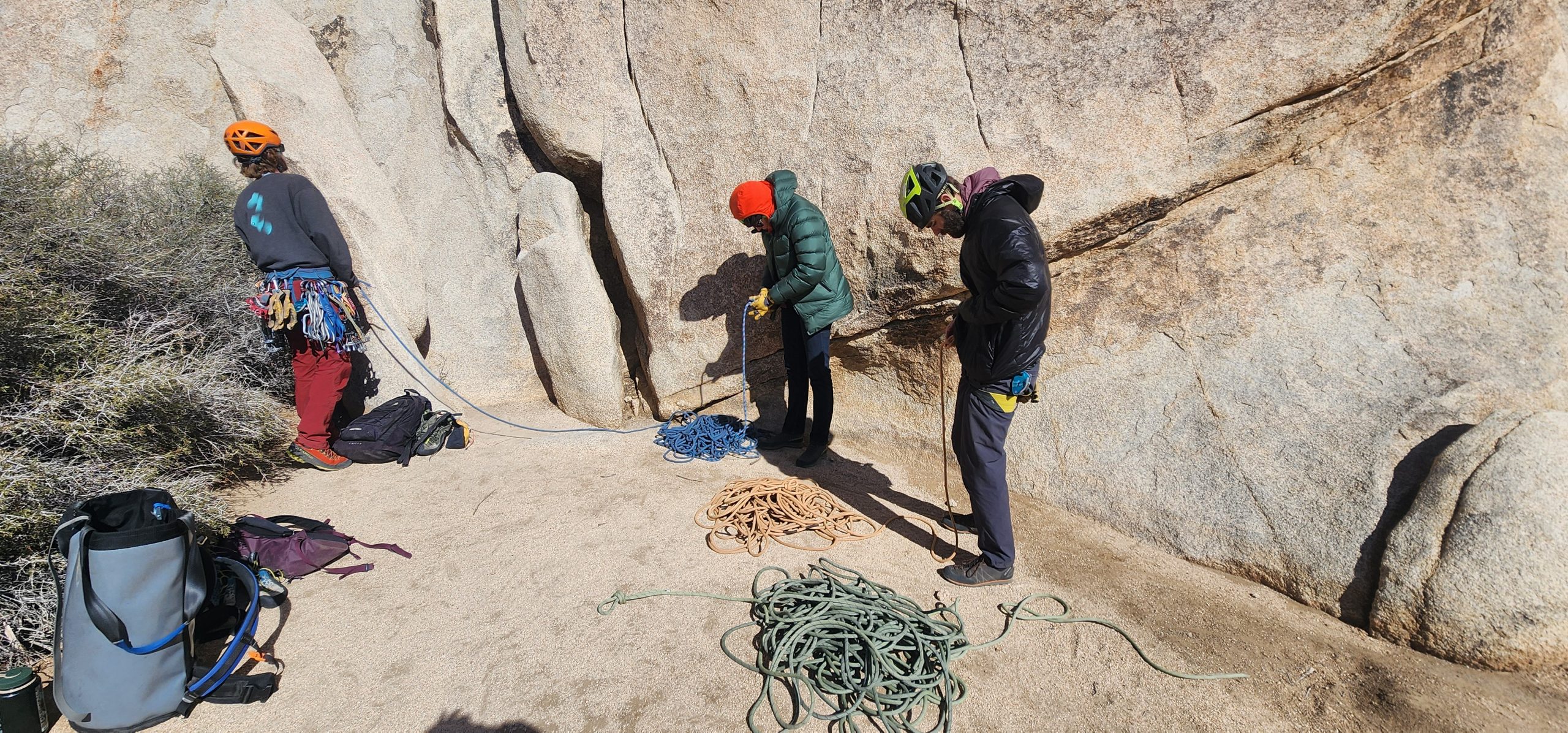
Throughout the course, our instructors, Silas Rossi and Paul Rachele, supported us in improving our rope management, client care, route finding and error correction skills. We learned that twists aren't real and practiced ways to clean up even the messiest rope piles efficiently. We learned different ways to get off of the mountain and what scenario would be more suited for each descent type. And we received a lot of tips for how to move efficiently and securely up the mountain with clients.
Some of my big take-aways were: don't sacrifice security for speed (protect yourself, place gear, be thoughtful, look ahead), longer pitches don't save time with clients, being over-prepared is better than being under-prepared with new clients and in new terrain, BRING ENOUGH GEAR (building good anchors and protecting yourself is non-negotiable), coaching is a very valuable risk management tool, your approach to an experience needs to be dynamic and reactive to your clients and the terrain, when belaying in parallel match your belay device to the width of your rope.
I am so grateful to the REENO foundation for supporting me in taking this course as I would not have been able to afford to attend without their help. I am really eager to use these new skills to provide clients with more intimate, longer rock climbing adventures on multi-pitch terrain. Multi-pitch climbing is my favorite style of climbing and I am so excited to share with people in Acadia and beyond!
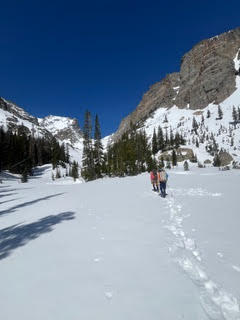
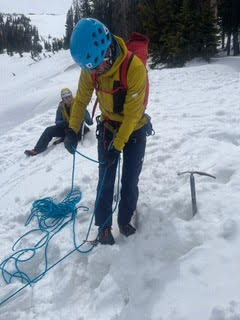
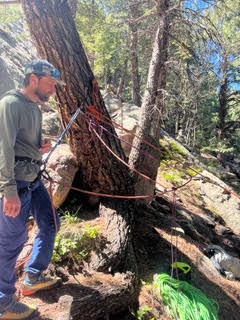
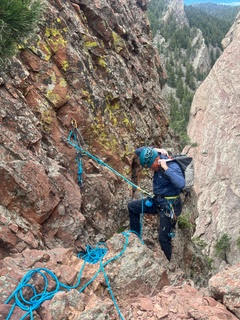
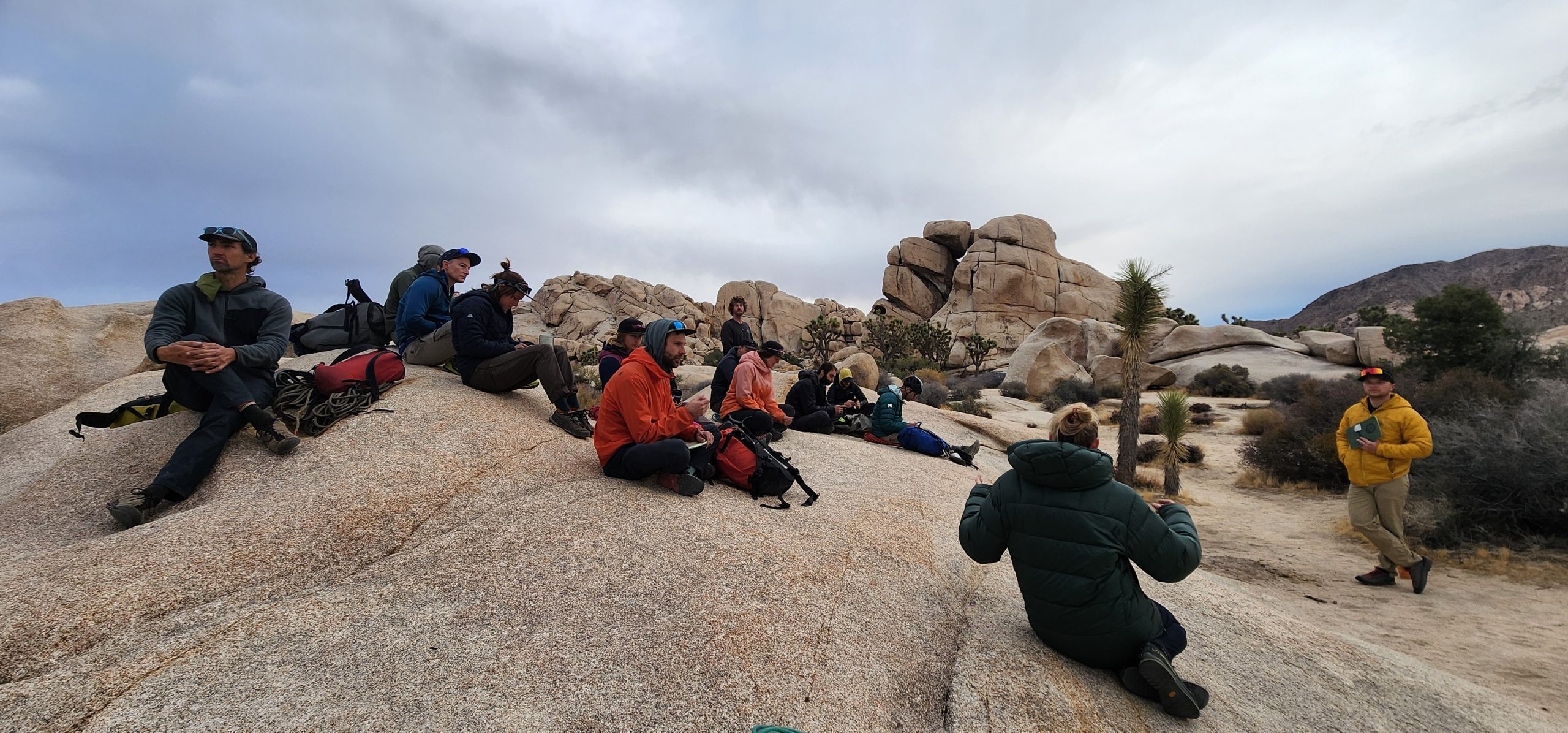
This fall, I took a 10-day Rock Guide Course through the American Mountain Guides Association (AMGA). I had the opportunity to take this course in part because of a scholarship from the Reeno Foundation. The Rock Guide Course (RGC) is the first course in the AMGA mountain guide track and teaches you the necessary skills to effectively guide people in simple rock terrain up to Grade III.
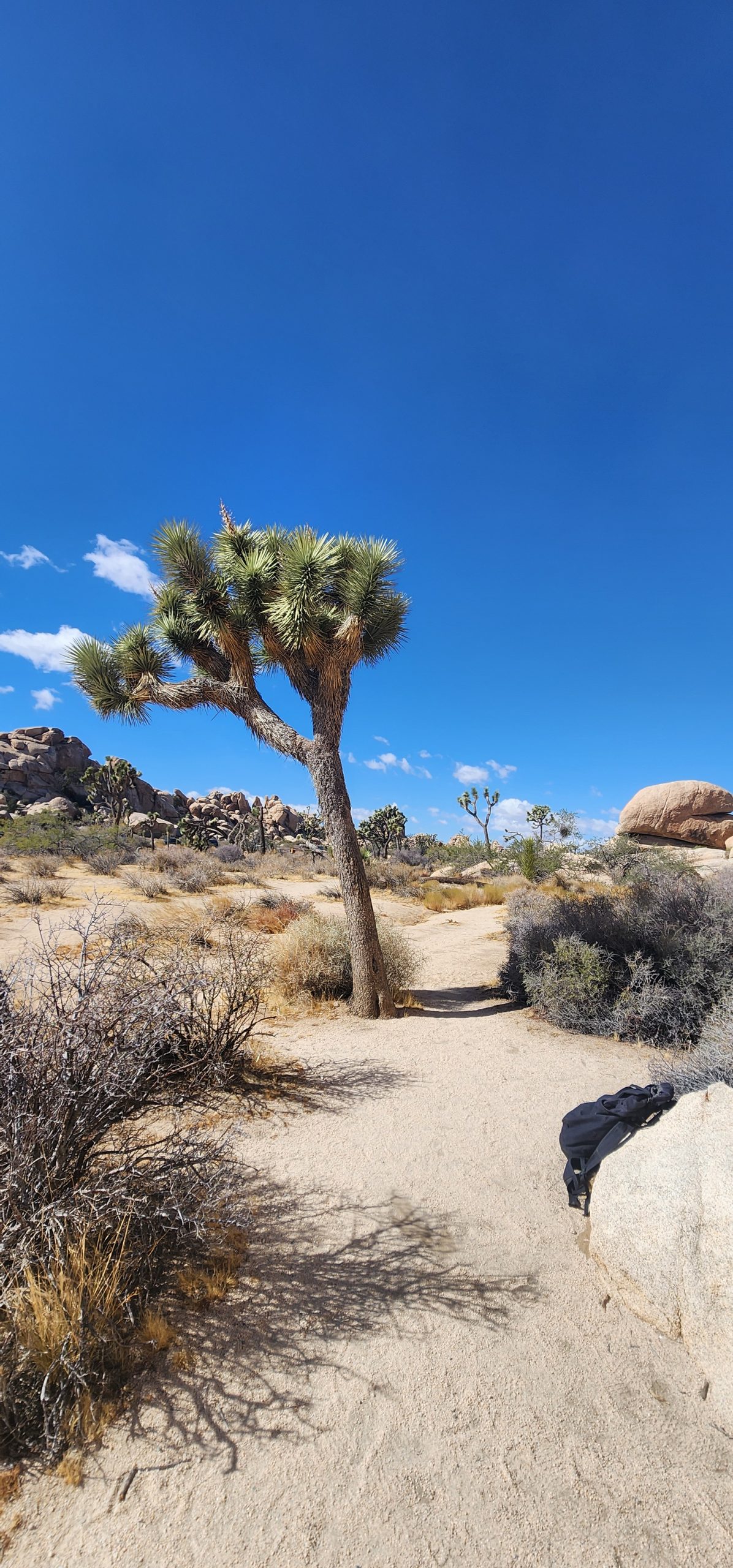
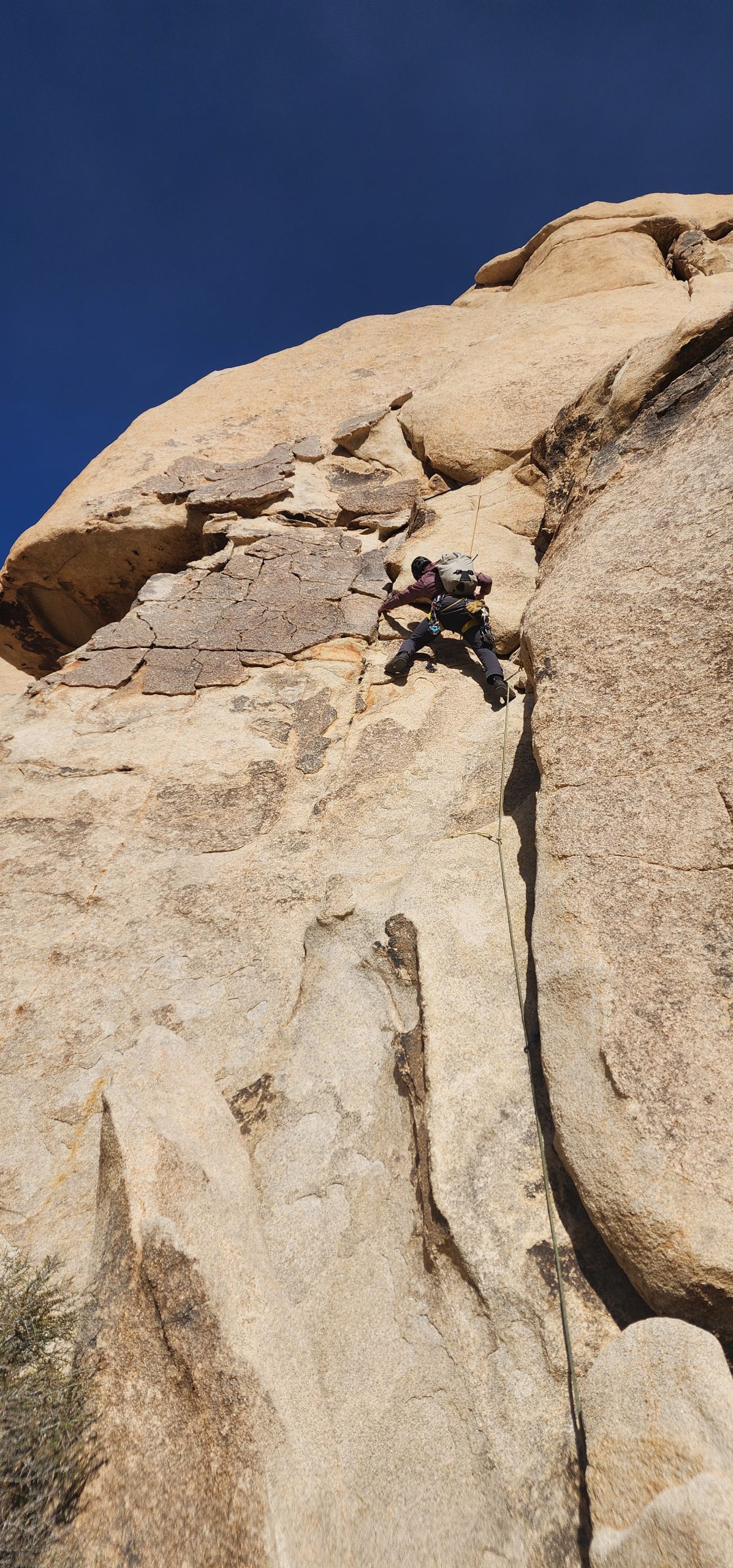
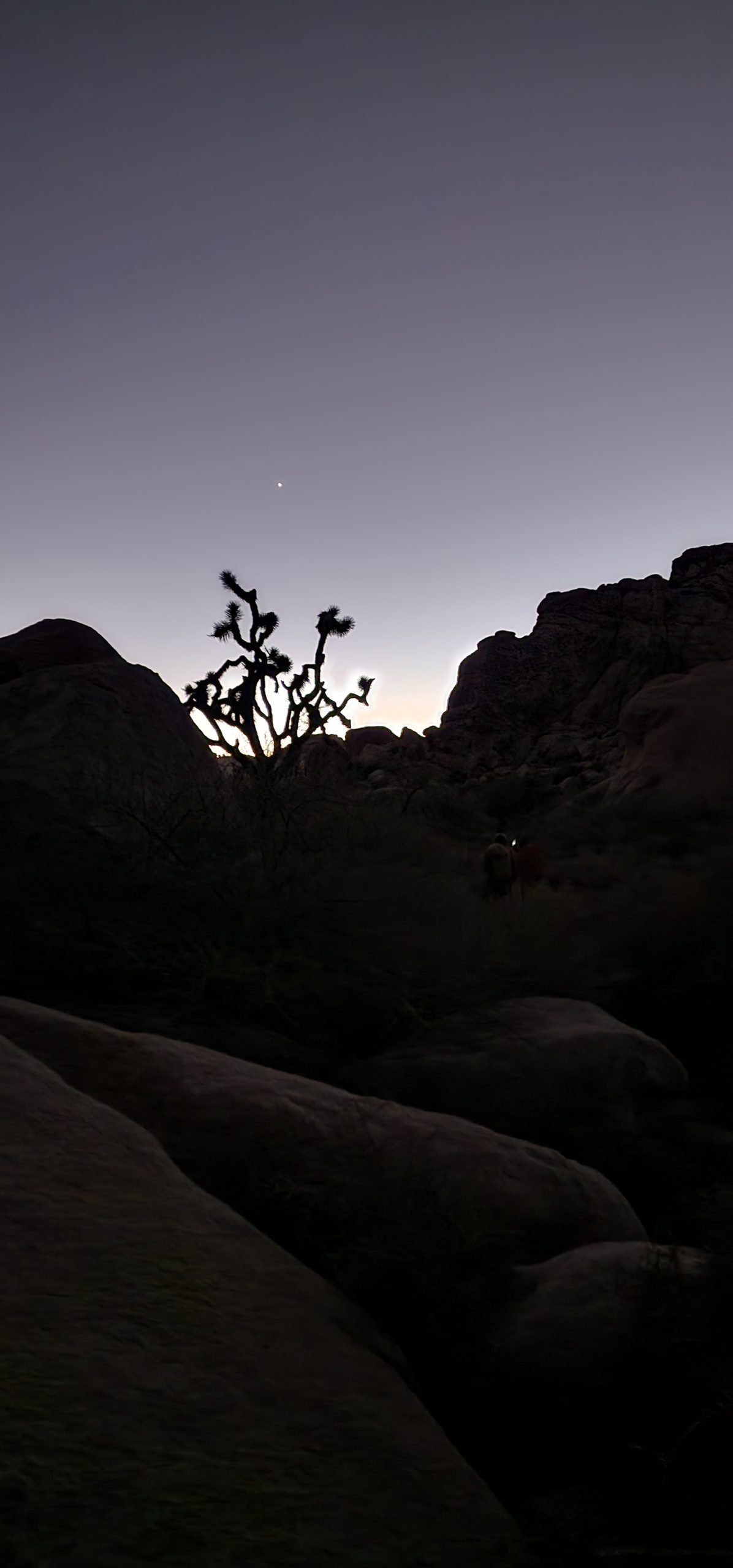
My course took place in Joshua Tree National Park. Having never been to Joshua Tree before, it was a treat in and of itself to spend almost 2 weeks in this beautiful landscape! Having heard rumors about climbing being sandbagged and hard there, I was nervous so the scenery helped with those nerves.
My partner, Nathan and I arrived a few days early so I could get a feel for the rock and get some climbing in. Joshua Tree is unique in that most of the “crags” are really just big Boulders scattered across the landscape. This makes most of the approaches fairly short and very flat. We climbed a few routes, got a lay of the land and then headed to town to rest up and stock up on groceries.
The course itself ran from October 29th - November 7th. Besides it being a jam packed 10 days of learning, Halloween, Daylight Savings, and Election Day all occurred during the course. As you can imagine, the mental exhaustion was real by the end!
This particular RGC was taught at a 3:1 ratio, meaning there were 3 students for every one instructor. Our Instructor Team was made up of 4 wonderful female IFMGA mountain guides who gave us the most amazing experience. There were 12 students including myself and everyone was awesome. Overall, it was such a joyous 10 days with the 16 of us, it was sad when it was over.
The first few days we worked on ground school, reviewing basic climbing, belaying, anchor building, etc. techniques.
Then we split up into groups of 4 (1 instructor, 3 students), and started climbing. Each instructor started with an “instructor demo” where they guided us up a climb, then we got to try our hand at it. I was the first to go in my group and it was fun! I found that practicing up to down transitions (rappelling, lowering, etc.) was what I wanted to focus on. I got to guide something chill the first day, then a 3 pitch 5.9 called “Western Saga” day 2 of climbing. Wow it was a burly 5.9 and tricky to protect, and it was cold and windy, but I got it done and we had a blast. After a couple days of climbing, we spent a day working on short roping and short pitching. This was really fun and something I’d love to keep working on. The next few days were spent with more student leads, as well as learning components of the Rock Rescue Drill. This drill is introduced in the Rock Guide Course, but you are not tested on it until tue Advance Rock Guide Course.
Before we knew it, it was day 10! After some rescue skills in the morning, we went through a group and individual debriefs and that was it.
As I reflect back on these 10 days and the intense mental stimulus I am grateful and tired. 10 straight days of waking up at 5am and engaging all day is a lot. It was also cold and windy for most of the course (down into the 30s and gusts of wind up to 40mph), which is exhausting.
I am so excited to feel so much more qualified to guide and I cannot wait to get out there. I am getting into guiding because I want to bring those who may not otherwise be able to experience the outdoors to the mountains. I want to help more women get out there, and I want to inspire.
Thank you again for your generous support, Reeno Foundation!

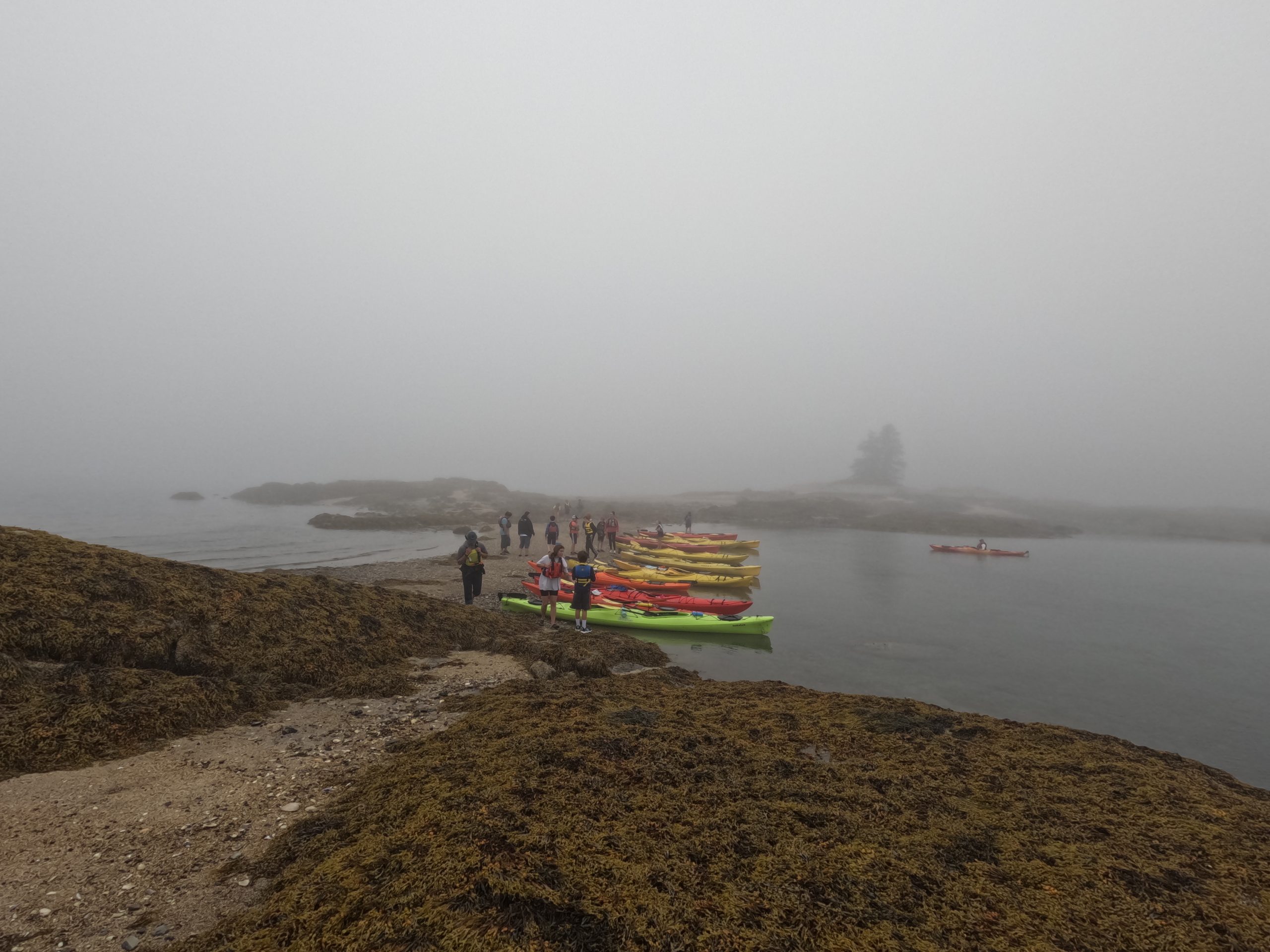
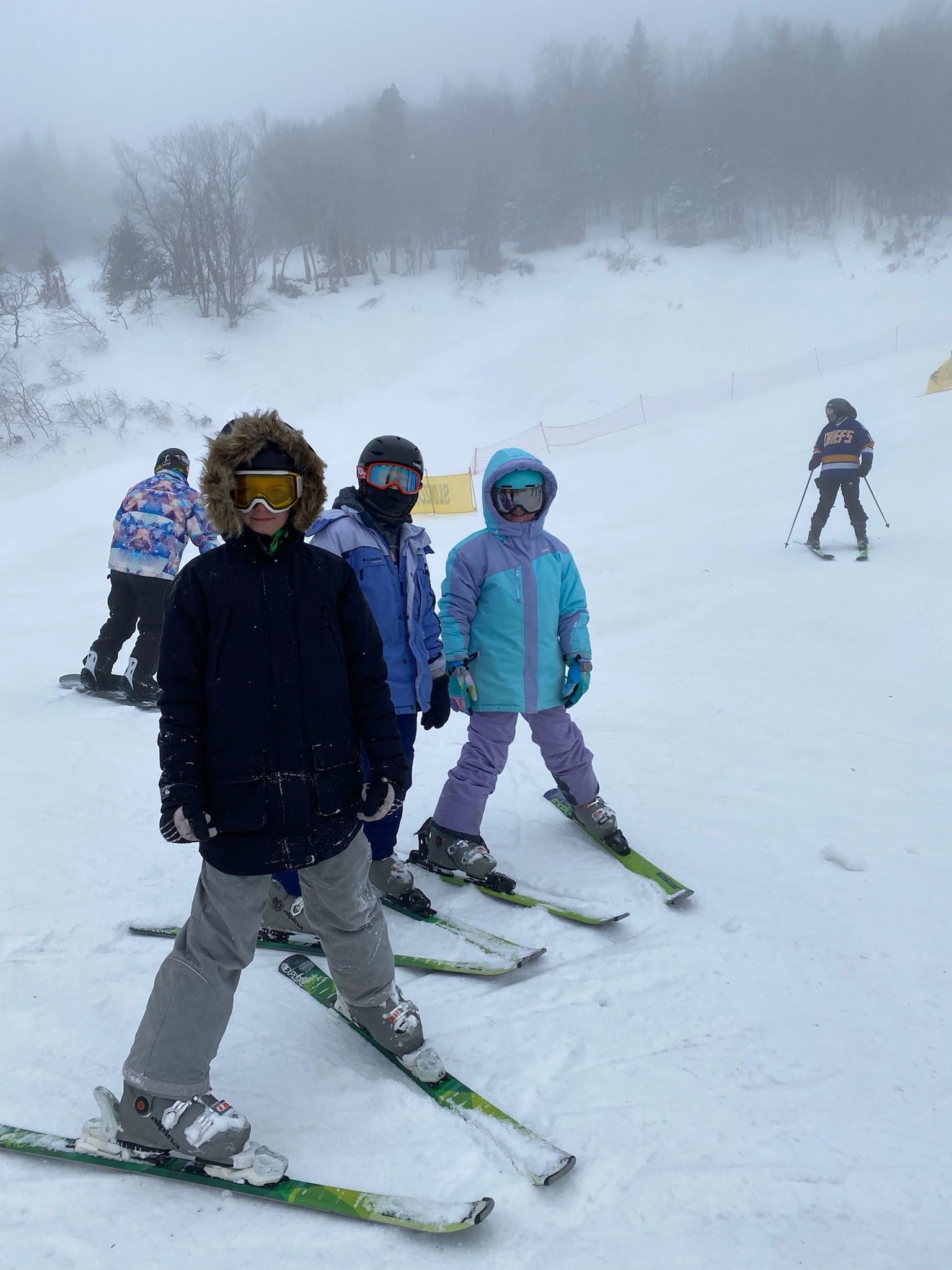
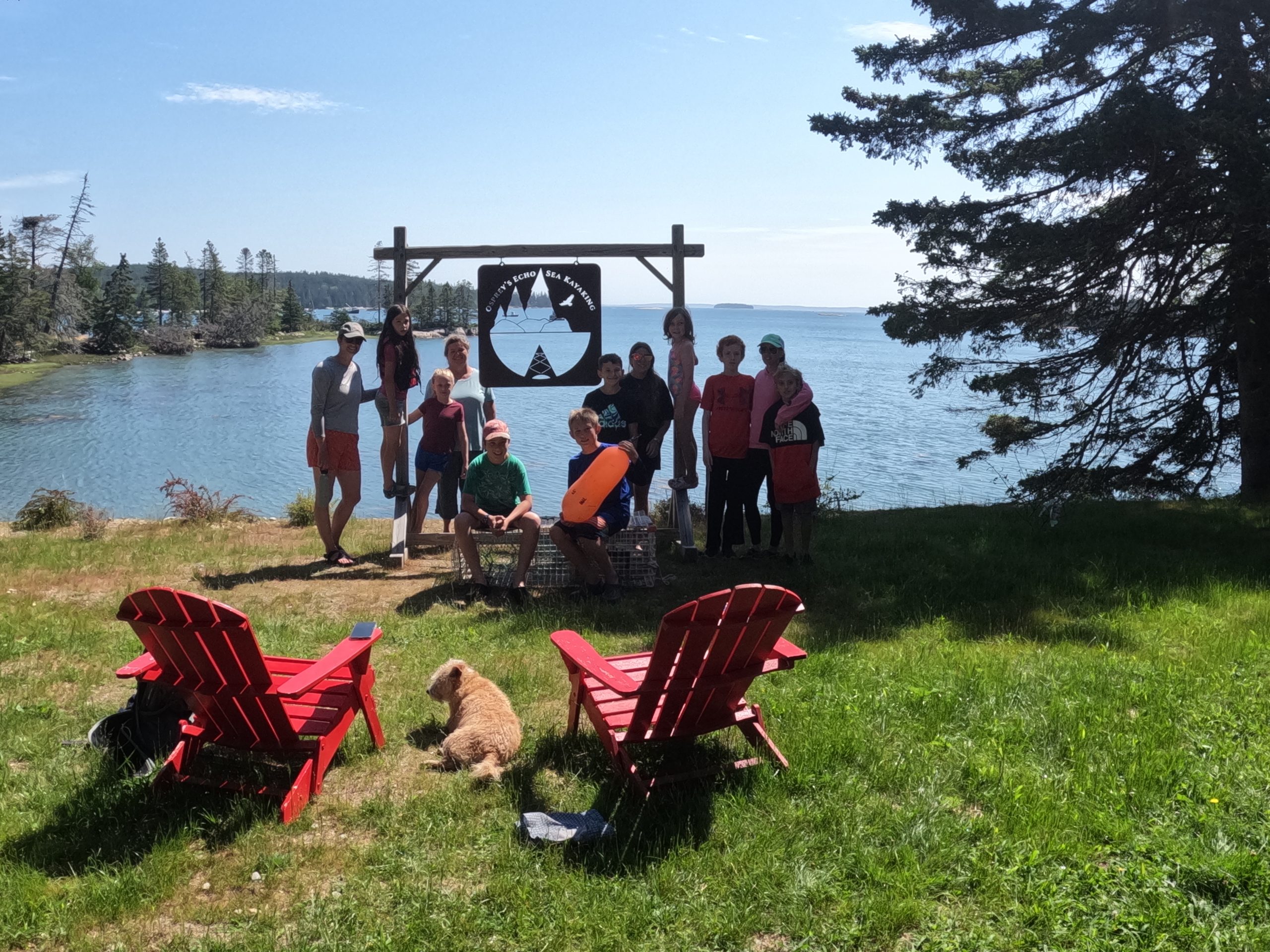
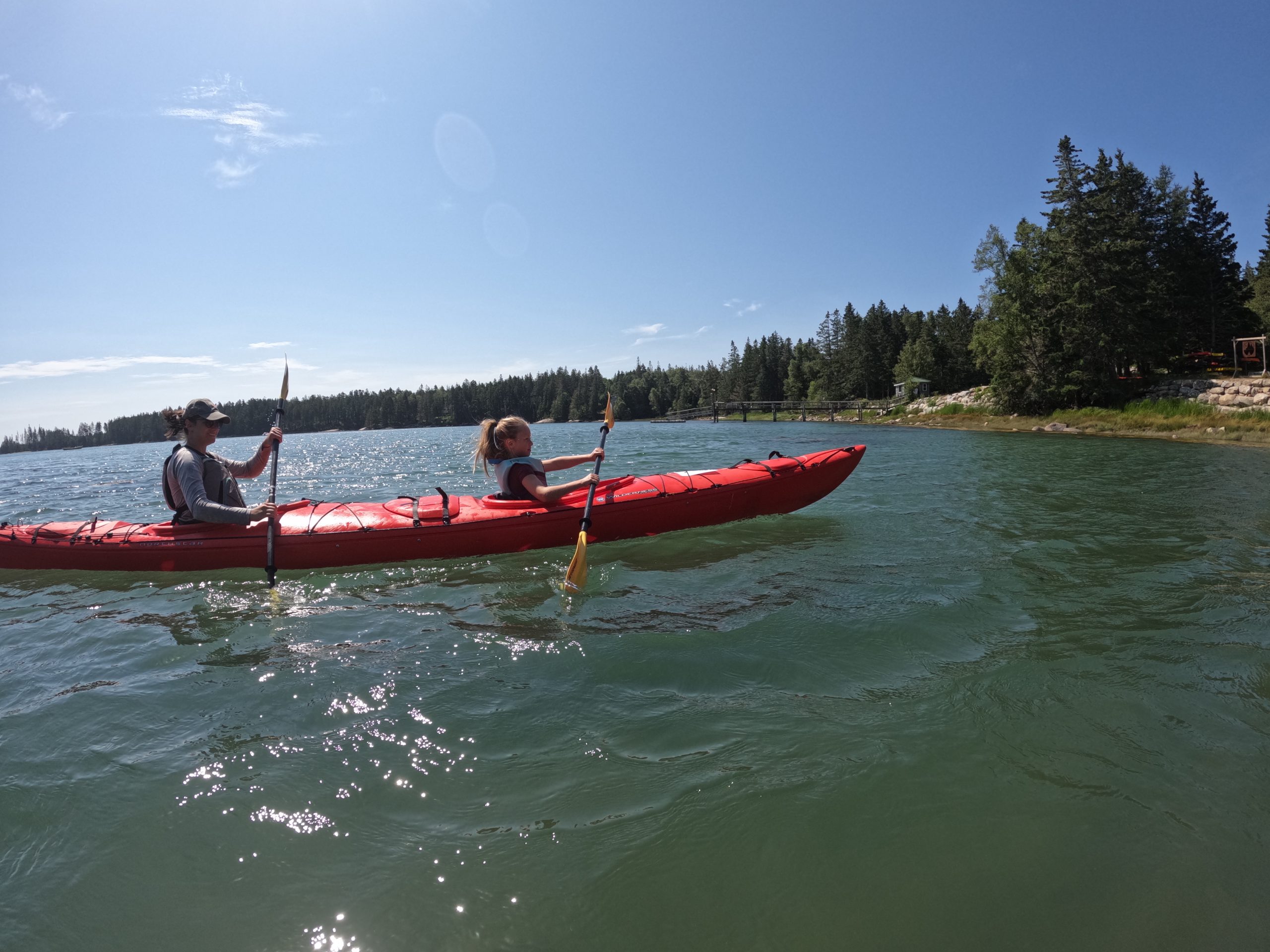
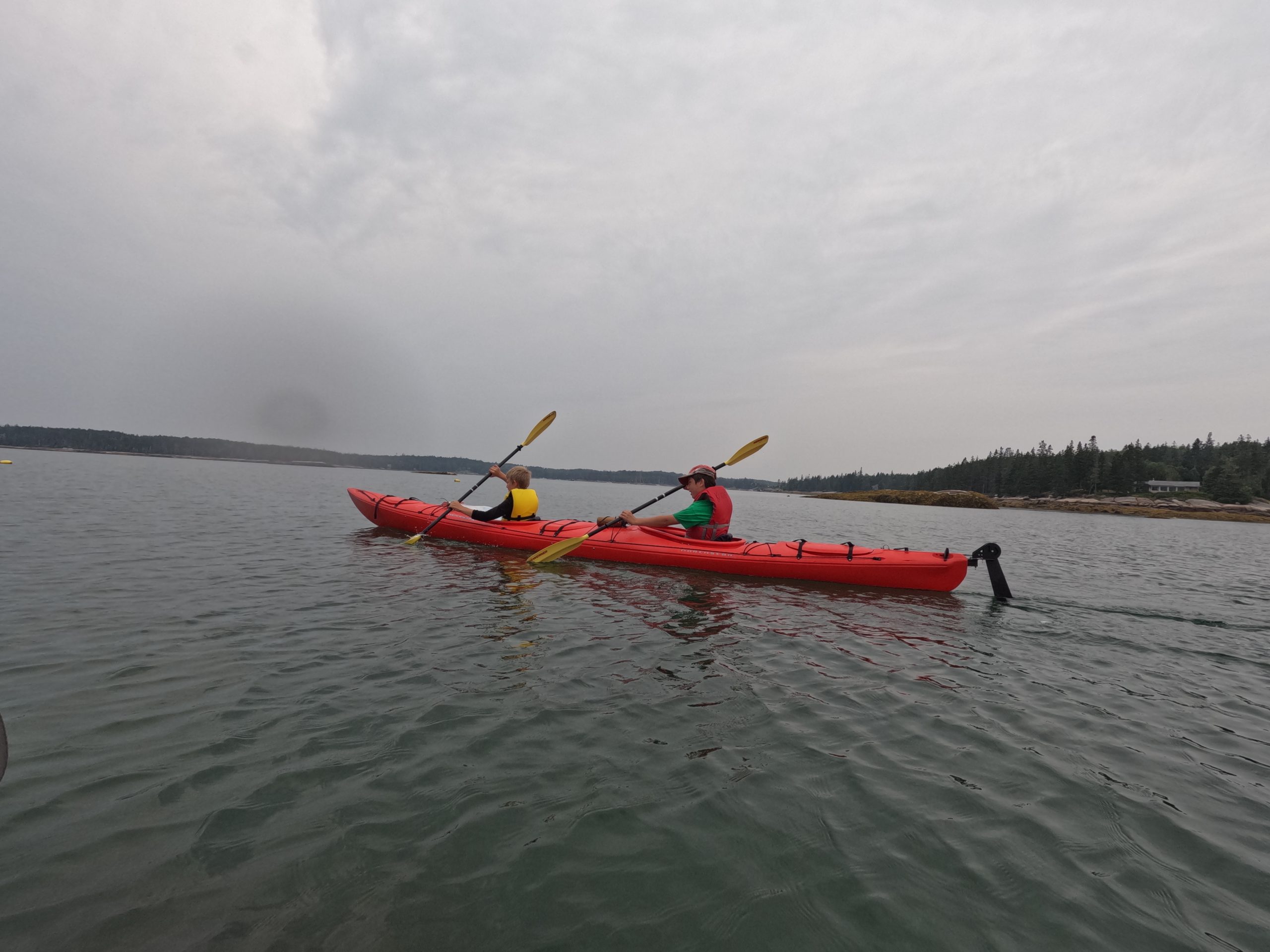
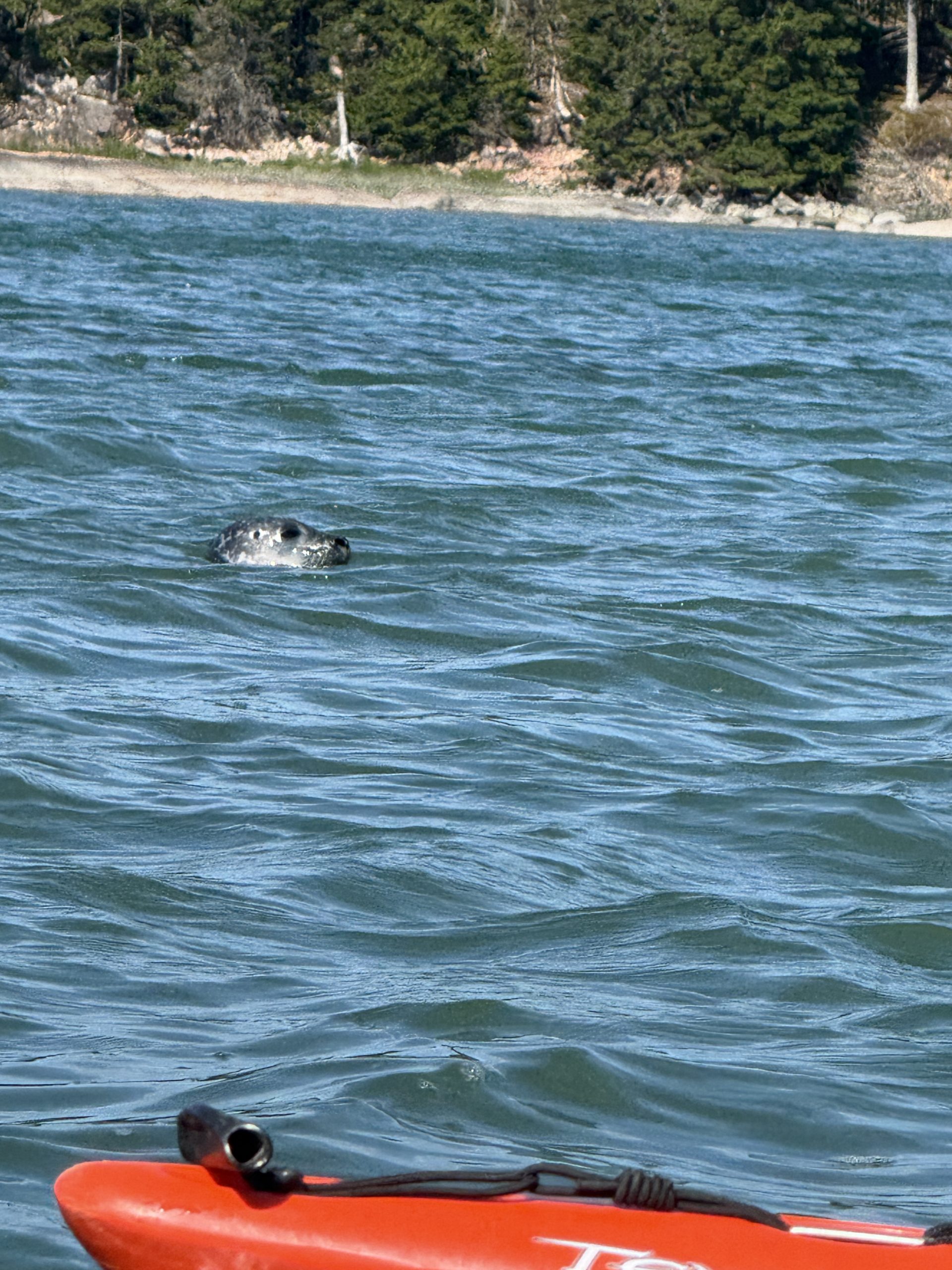
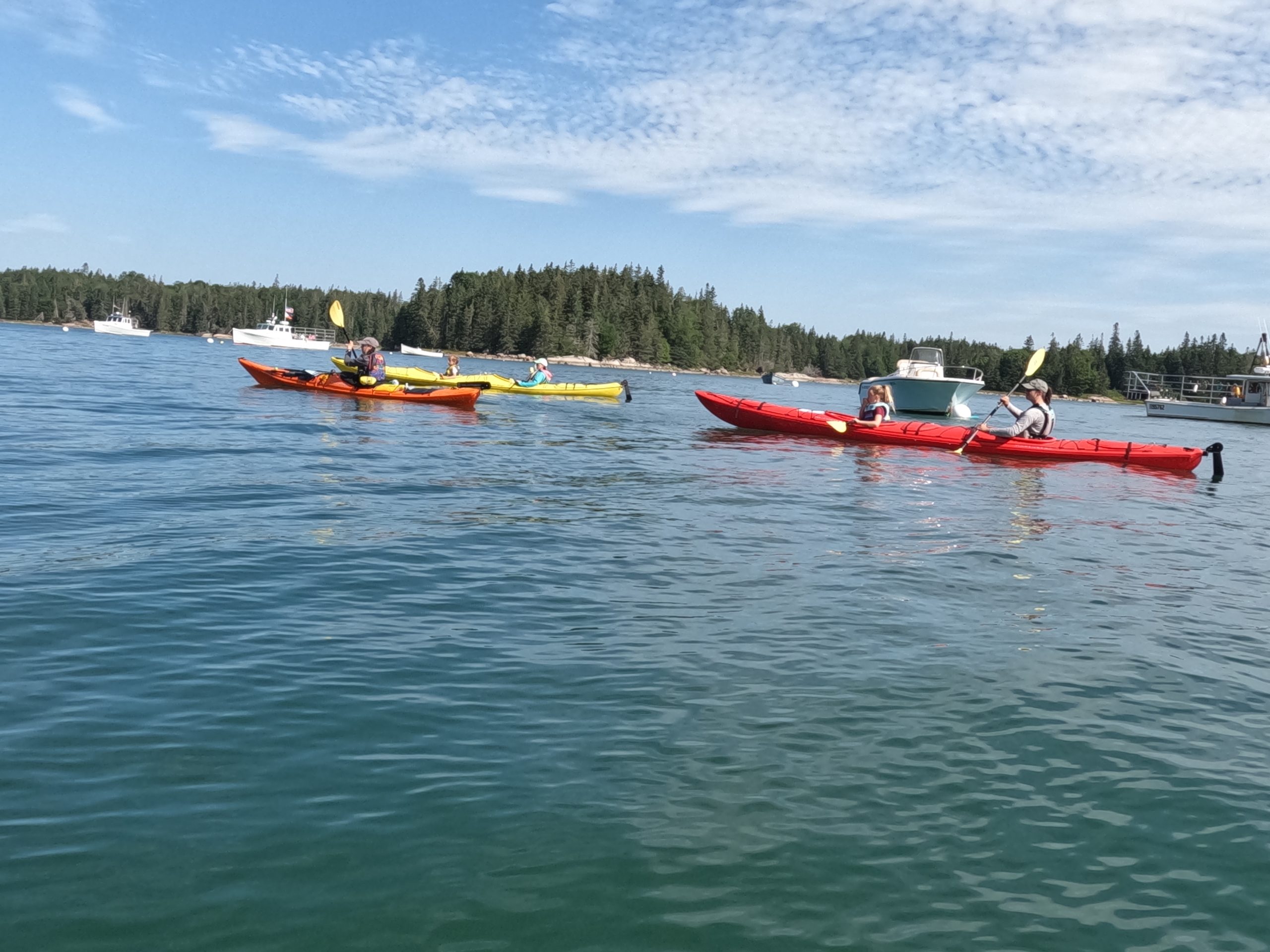
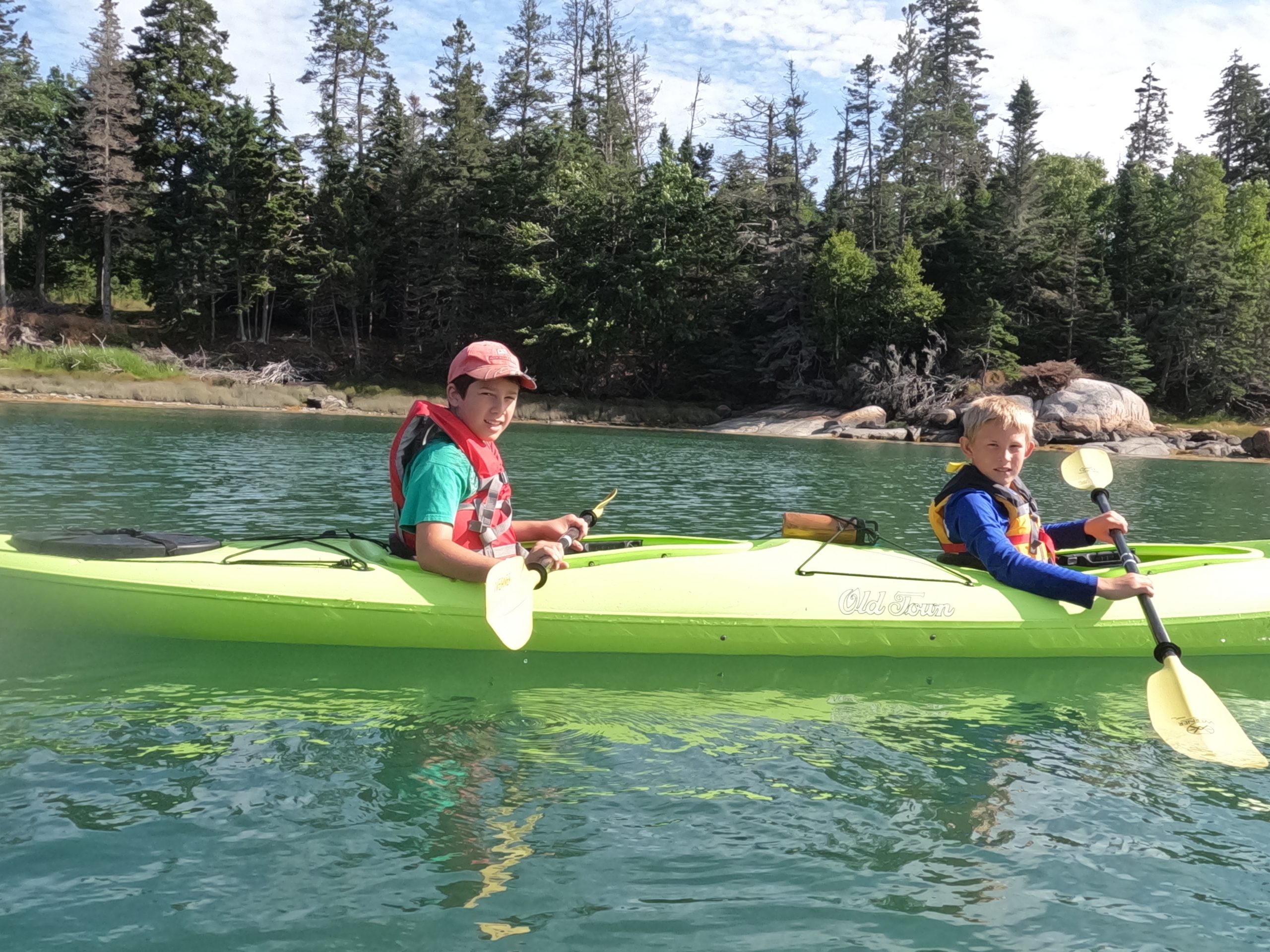
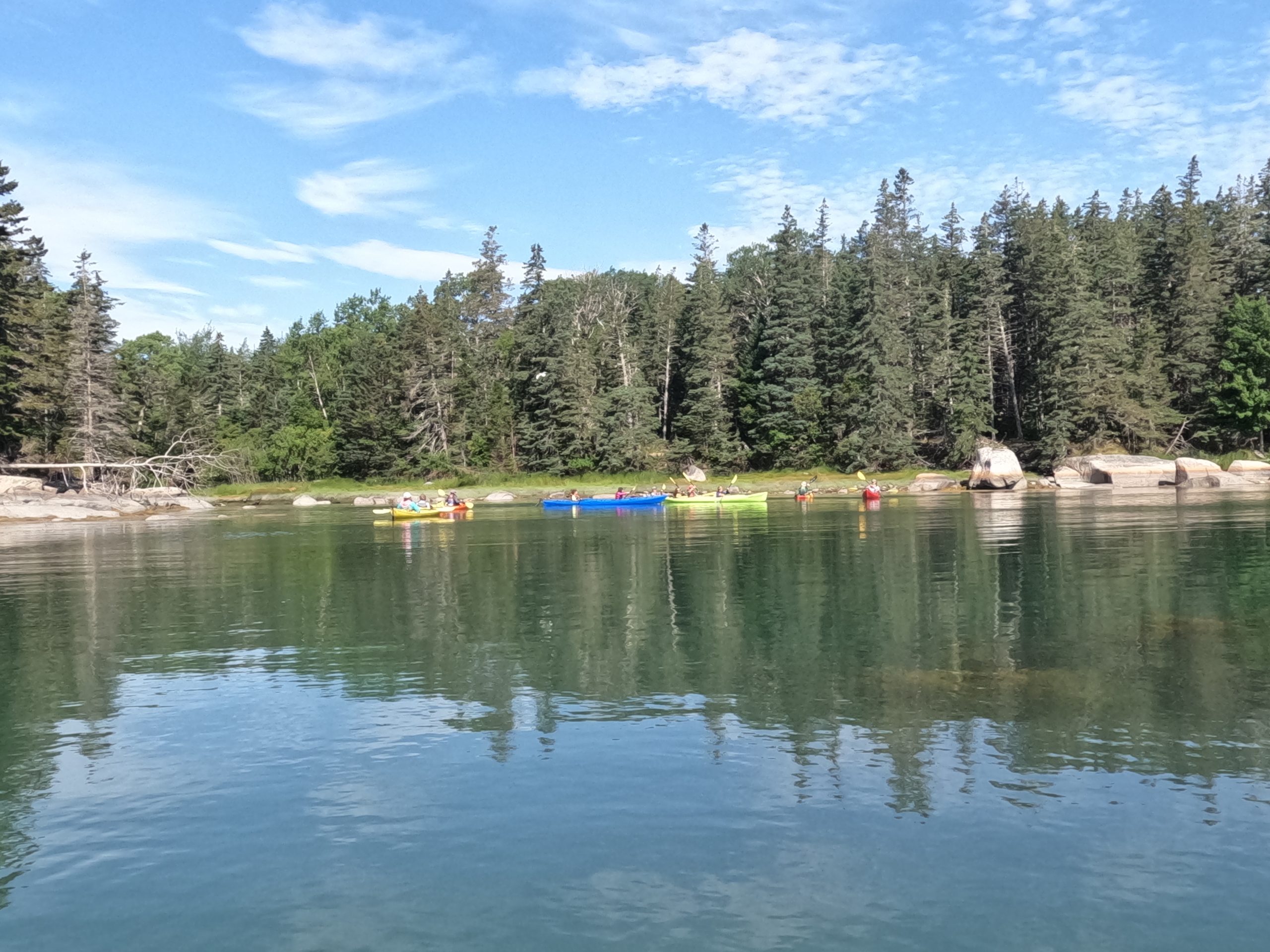
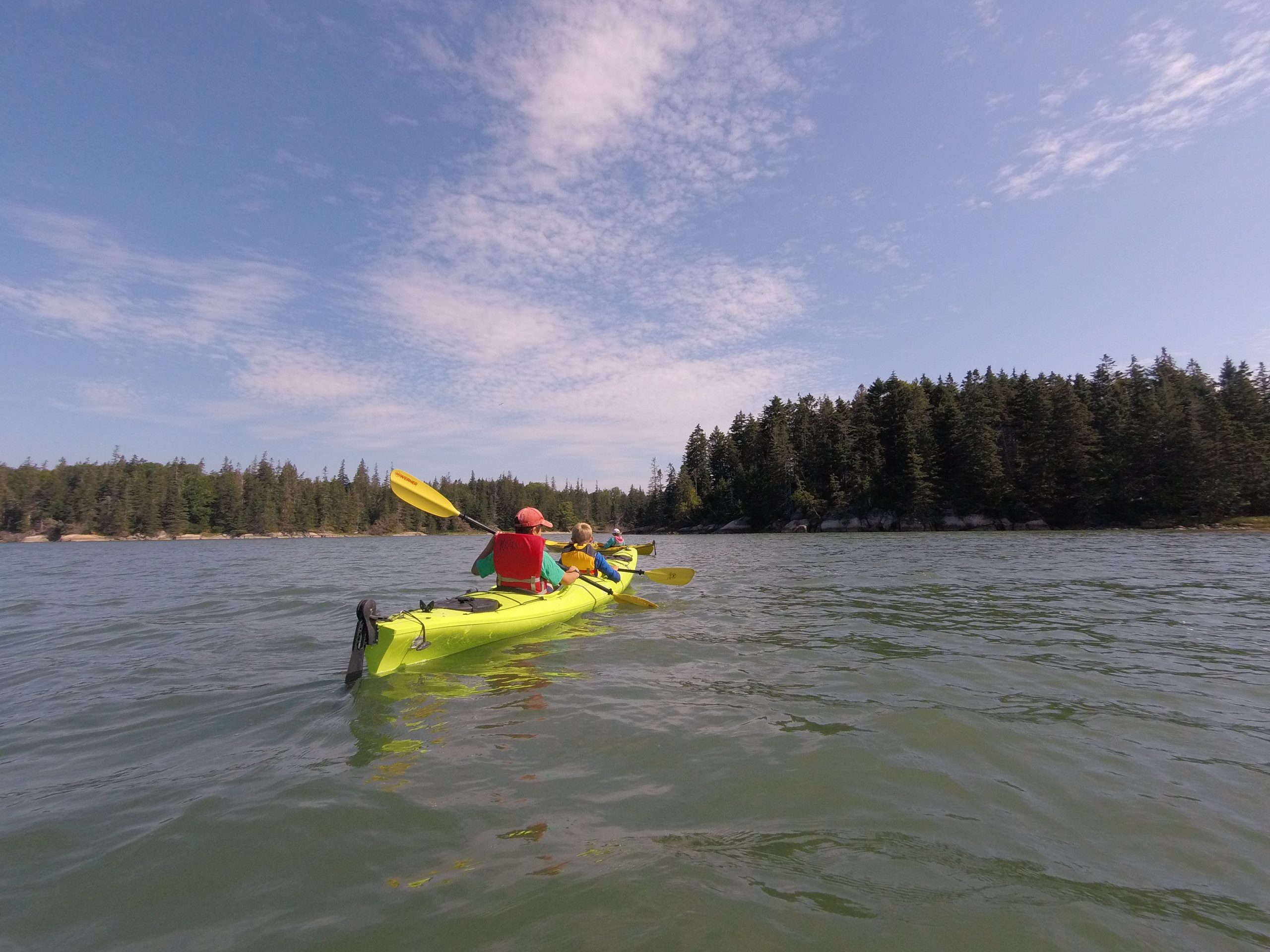
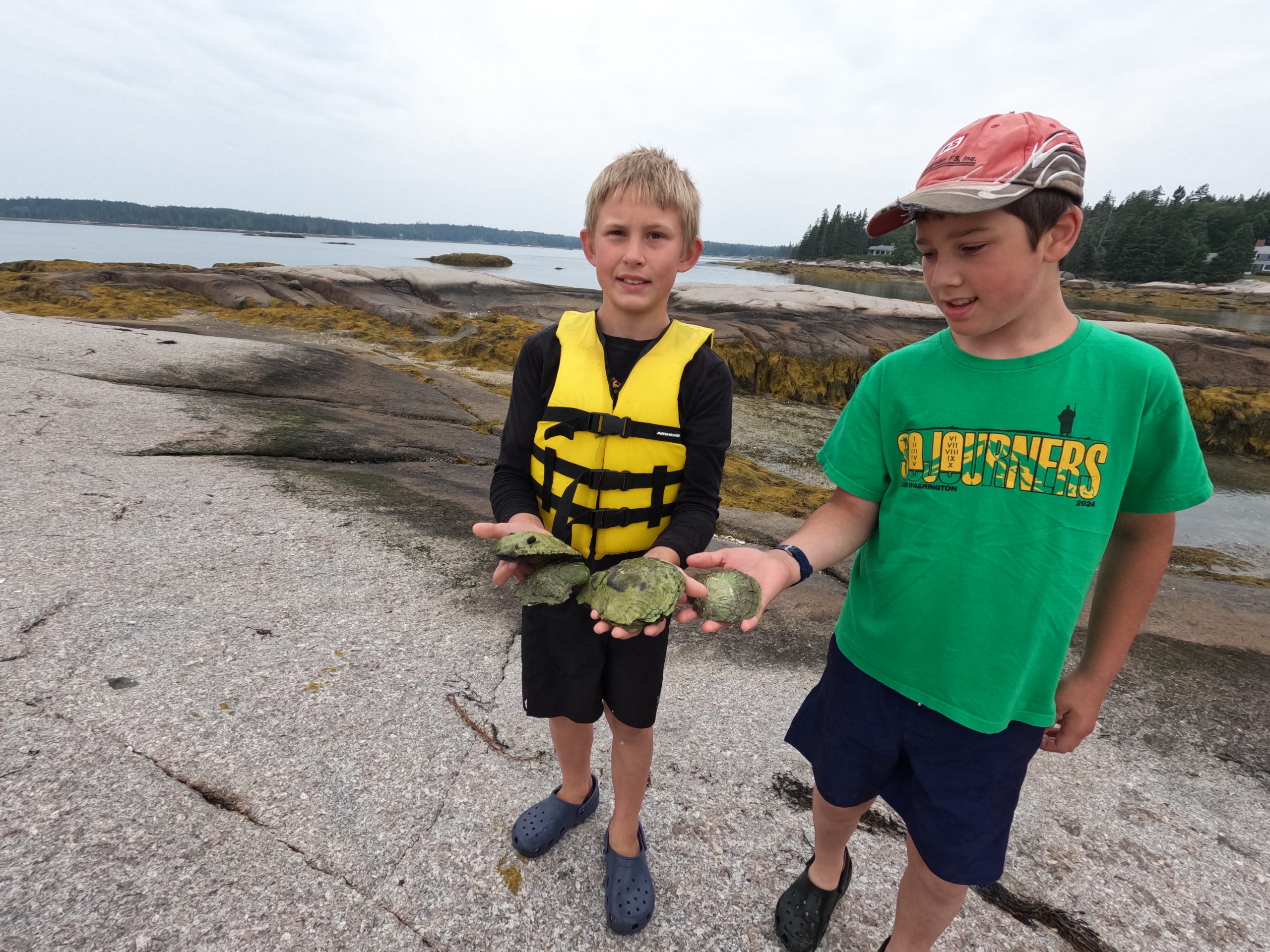
Our Mariners Soar! After School students had an unforgettable time kayaking with Osprey’s Echo this summer! Highlights of the trip included spotting wildlife around Webb Cove, such as bald eagles, osprey, and curious seals swimming nearby. Students gained confidence on the water by learning paddling techniques and navigation skills.
They also enjoyed meaningful time together, developing teamwork through scavenger hunts, sharing kayaks, and caring for their equipment. Exploring the cove and landing on nearby islands and rock formations deepened their connection to the natural world.
This enriching experience, made possible through our partnership with Osprey’s Echo and The Reeno Foundation, offered students a perfect blend of adventure, learning, and social connection—fostering both confidence and a love for the natural world.
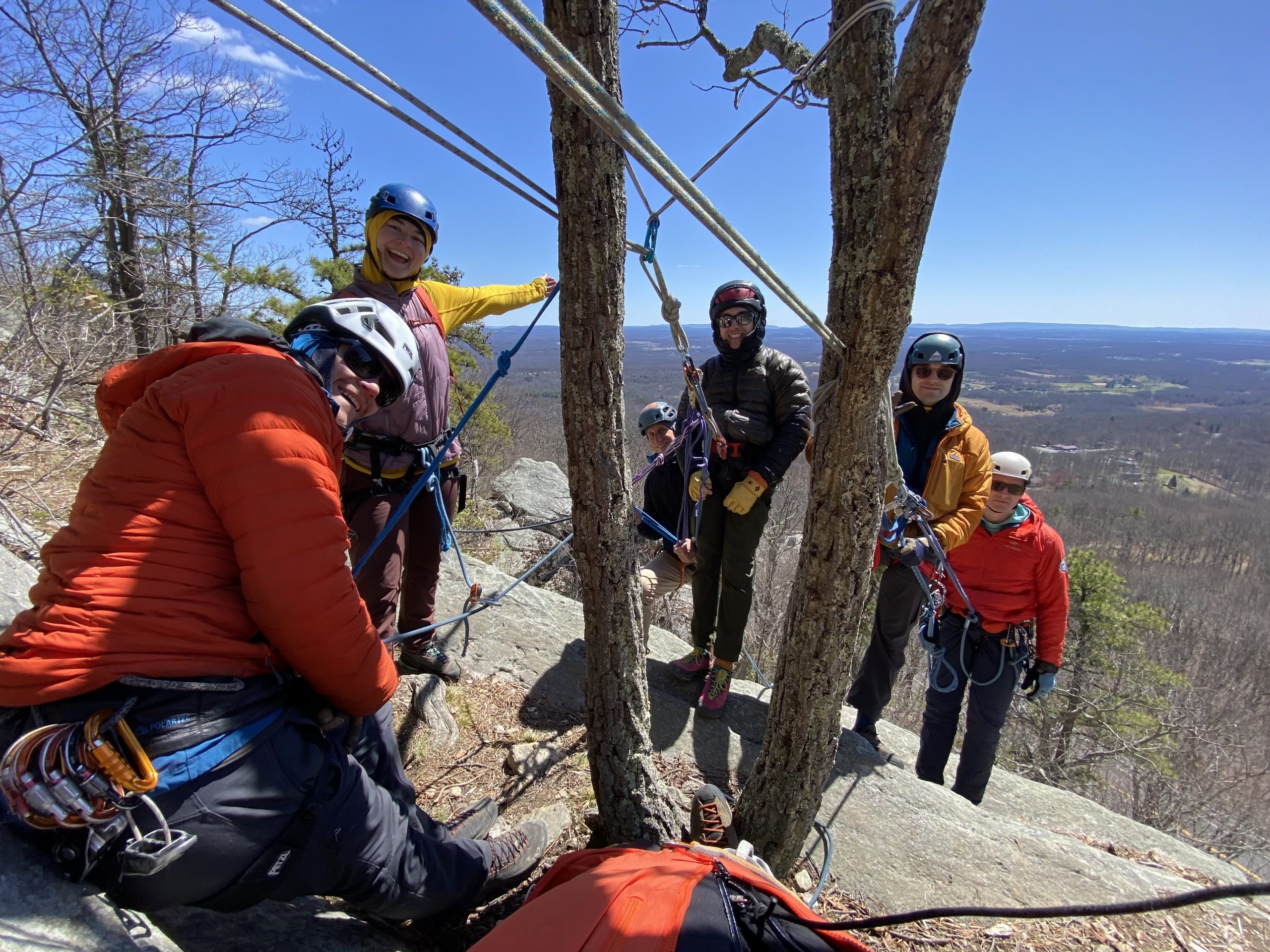
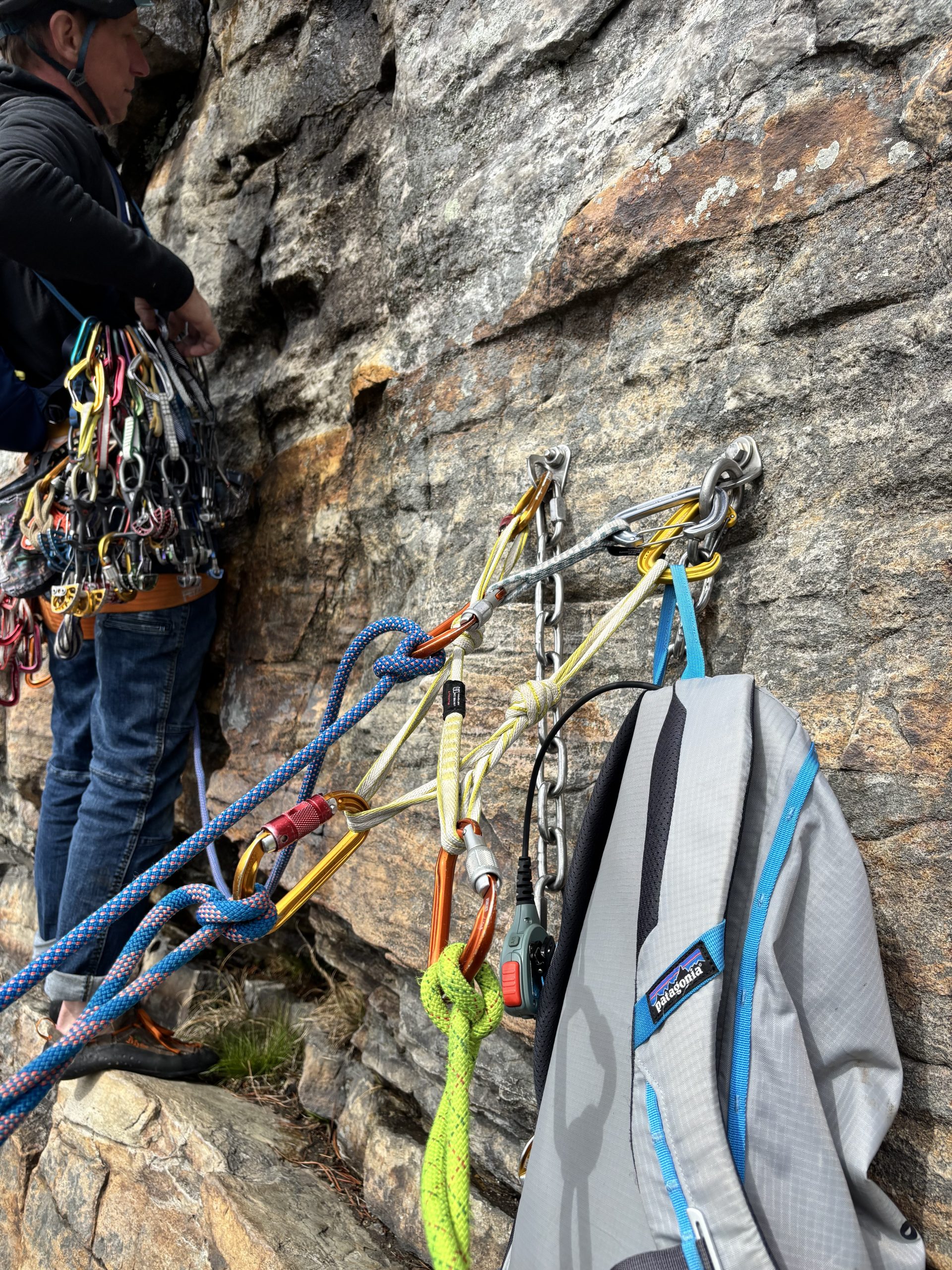
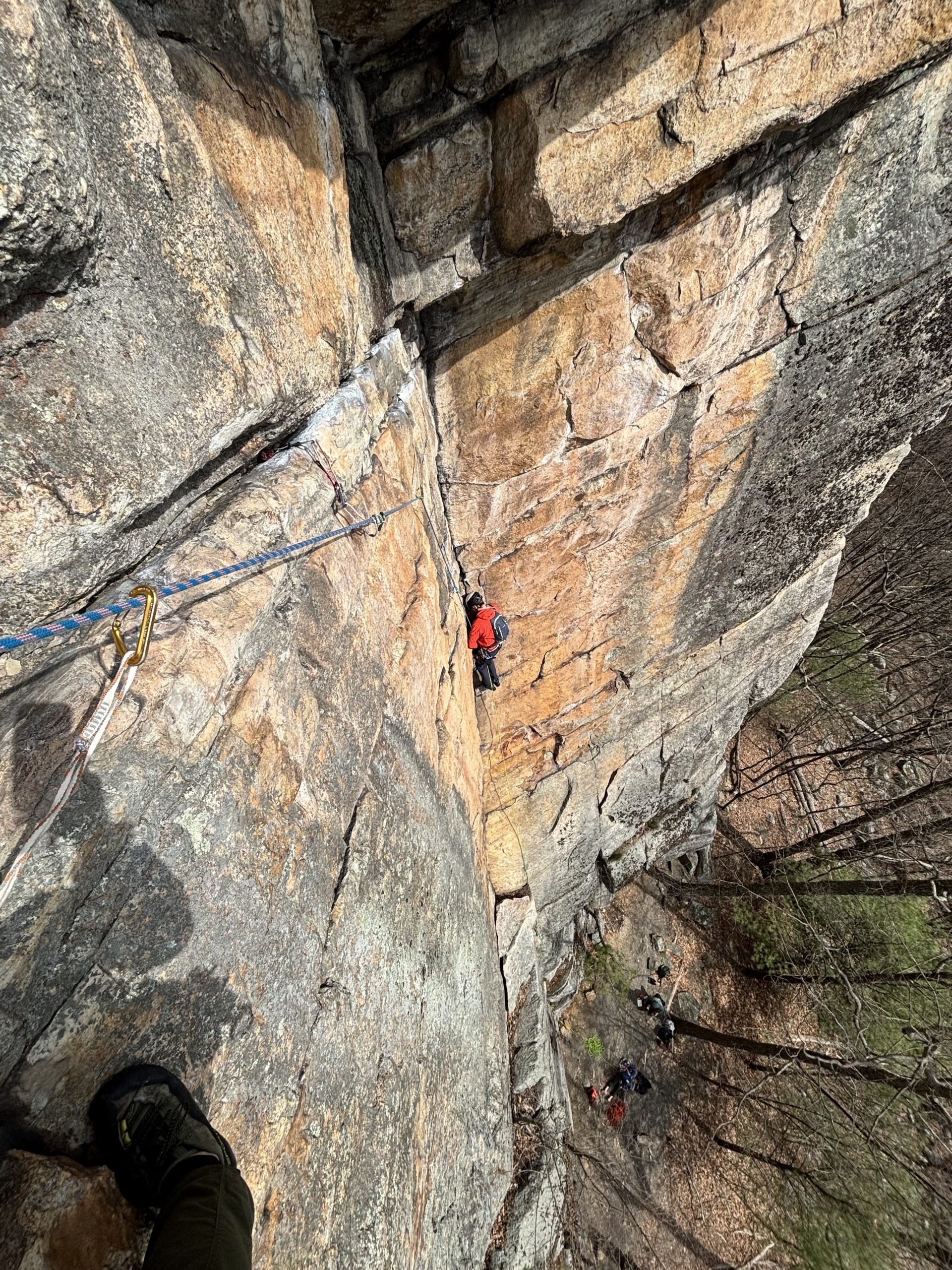
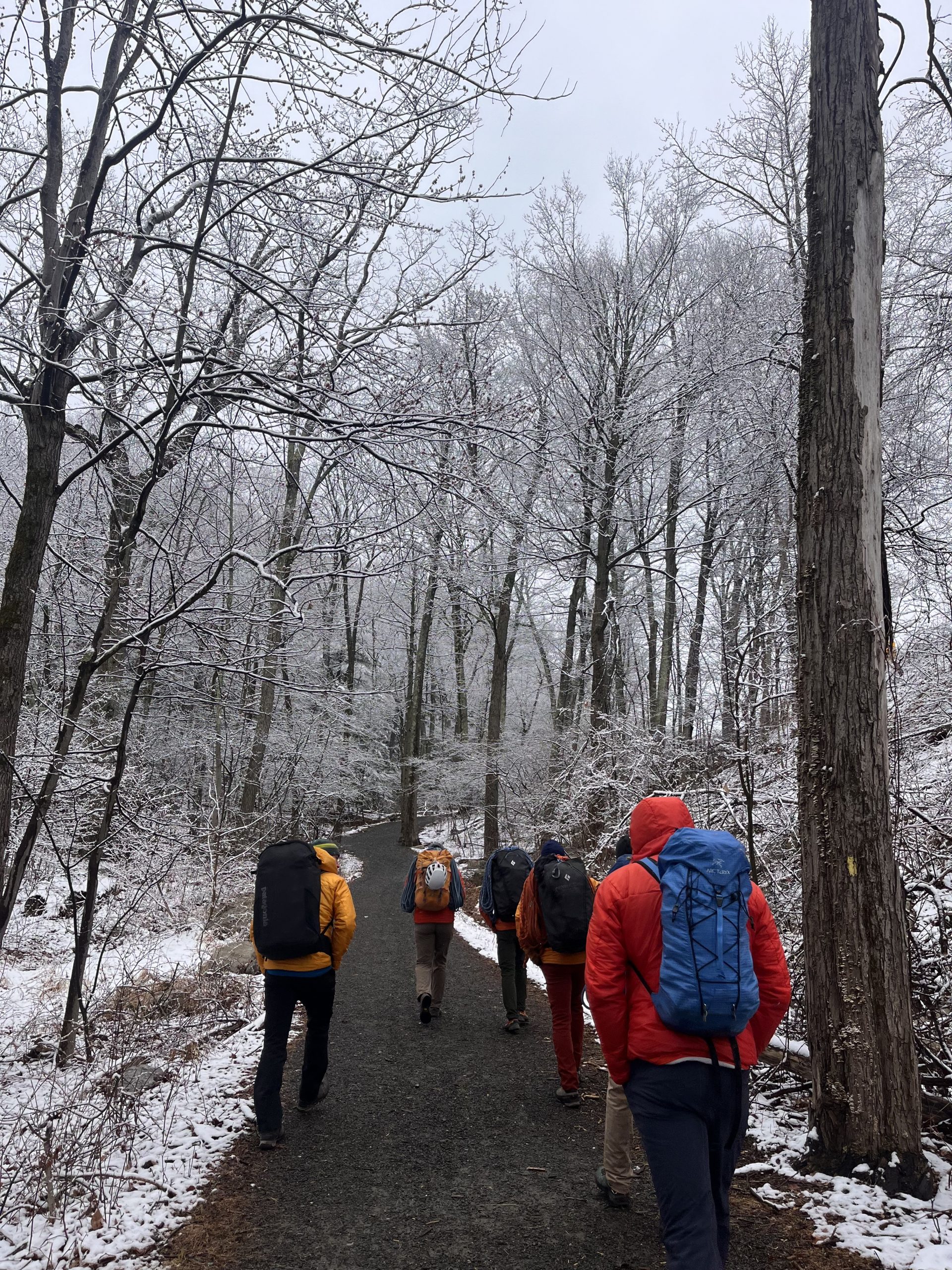
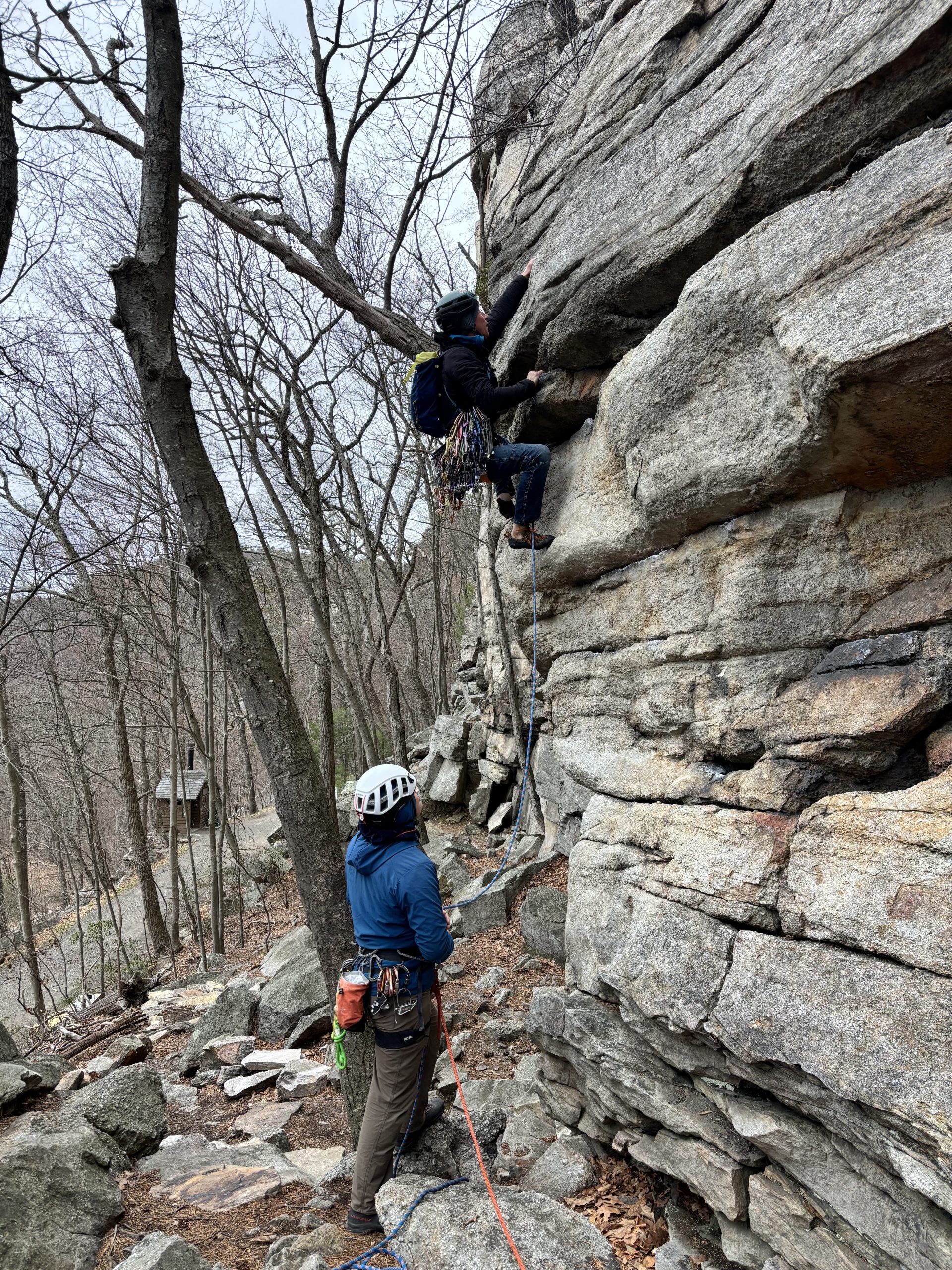
In 2013, I had the opportunity to join an outdoor education program on a stunning island in the Salish Sea - how could I ever switch to a conventional job after that?? I still lead wilderness experiences to individuals from all walks of life; sometimes leading educational day hikes in local natural areas, or facilitating adult leadership workshops on week-long wilderness retreats, or guiding multi-day backpacking trips in the mountains. As much as possible, I guide and mentor backcountry skiers on alpine adventures. To share these experiences and encourage people to push themselves outside of their known personal limits is a privilege. Having the generous support of organizations like the Reeno Foundation has allowed me to continue my professional development, most recently finishing the AIARE Course Leader Training in Colorado. In this training, avalanche professionals receive intensive instruction in pedagogy, curriculum standards, and effective risk management. We practice mentorship, evaluation, and instructional consistency to ensure high-quality, student-centered avalanche education and effective professional development to newer instructors. I look forward to a long season (and many years ahead) of teaching avalanche safety courses and winter backcountry travel skills.
Thank you Reeno Foundation!
Angelique Carl
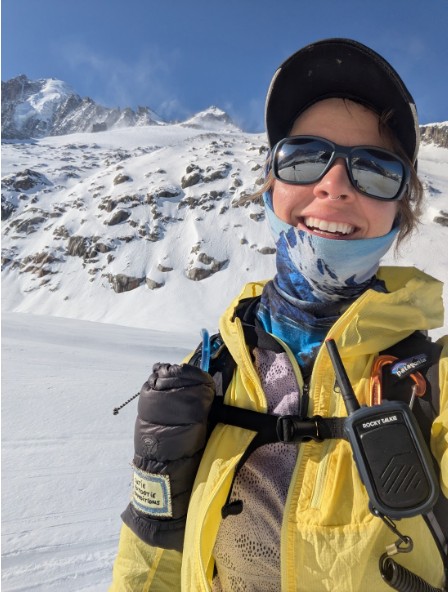
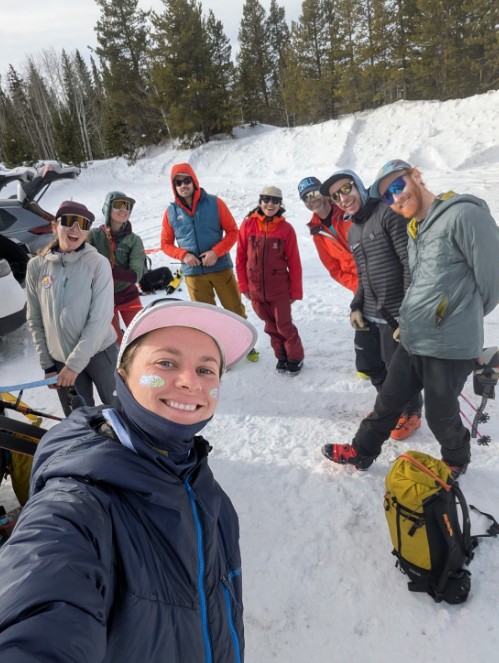
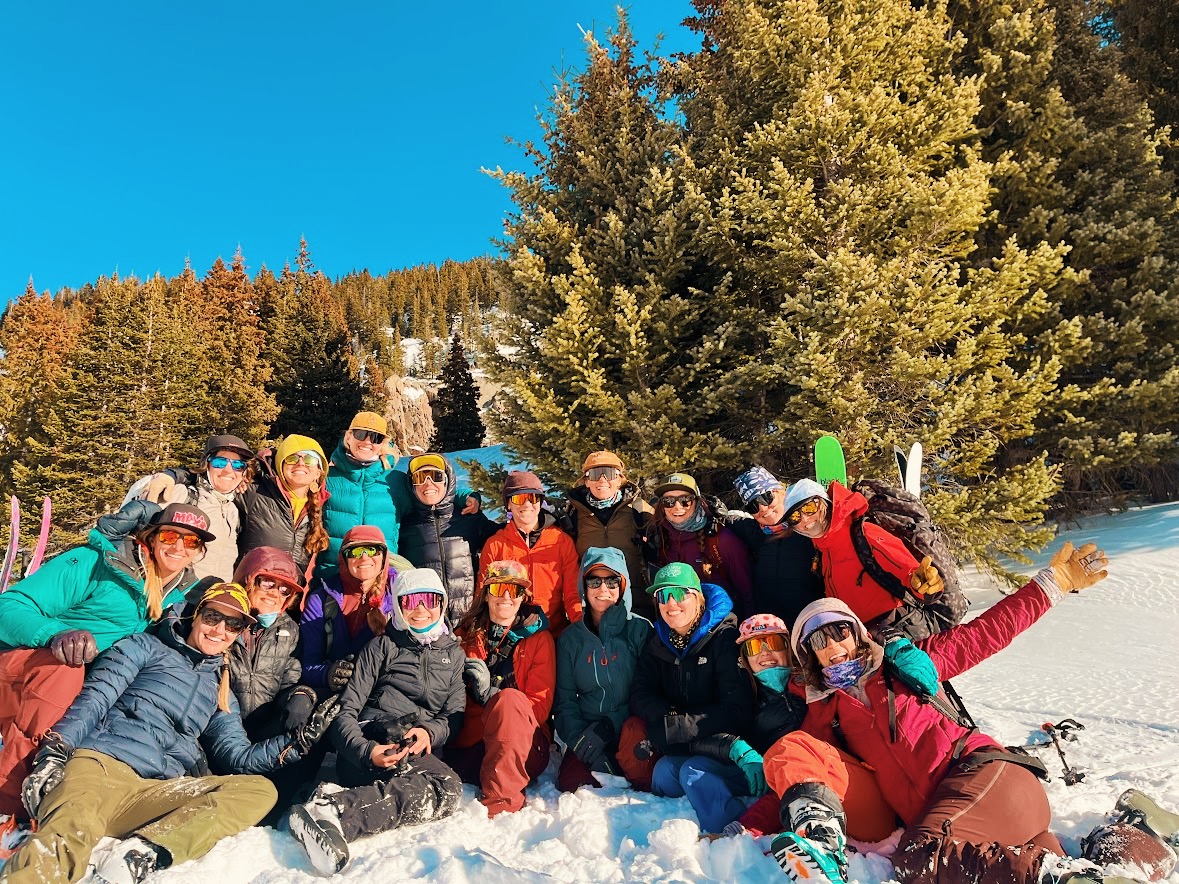
Completing my AIARE Instructor Training Course (ITC) was one of the most empowering
experiences I have had in the outdoor industry. The opportunity to learn alongside such an
incredible group of women and to be taught by such knowledgeable, confident, and undeniably
badass female instructors created an environment unlike any course I have previously attended.
A few of the other girls and I shared a house during the course, which made the experience
even more meaningful. As the youngest participant, I arrived feeling somewhat intimidated, but I
left feeling as though I had gained an entire group of older sisters, mentors, and role models.
This course taught me far more than the technical components of delivering the AIARE
curriculum. I learned how to mentor students, communicate information effectively, and adapt
my instruction for different learning styles. Most importantly, I saw firsthand how much the
learning environment created influences students' willingness to participate. From the very
beginning, our instructors intentionally created a supportive and welcoming space. Because of
that foundation, everyone felt comfortable asking questions, sharing ideas, making mistakes,
and participating continuously throughout the course. The energy never faded because every
person felt that her voice belonged in the room.
Creating an inclusive course environment is not an extra component of good instruction—it is
essential to it. Students learn best when they feel respected, supported, and confident enough
to engage fully. I now strive to establish that environment from the very first interaction.
The ITC also helped me overcome much of the imposter syndrome I had carried with me as a
young woman entering the guiding industry. Being surrounded by women who openly shared
their knowledge, experiences, challenges, and encouragement allowed me to recognize that I
had earned my place in this field. Their confidence in me helped me develop confidence in
myself. This growth directly enabled me to step into a leadership role as the Colorado Mentor
for the AIARE Professional Growth Network (PGN), where I have had the continuous
opportunity to support other women as they develop their own skills and professional identities.
Receiving the Reeno Foundation Scholarship made this experience possible for me. The
scholarship provided much more than just financial support for a professional certification; it
gave me access to a transformative community and helped me take a pivotal step forward as an
avalanche educator and mentor. I left the ITC with stronger instructional skills, greater
confidence, lasting friendships, and a renewed commitment to creating the same welcoming
and empowering environments for others.
I am incredibly grateful to the Reeno Foundation for investing in my growth. The impact of that
investment continues through every student and mentee I now have the privilege of supporting.